Counselor profile
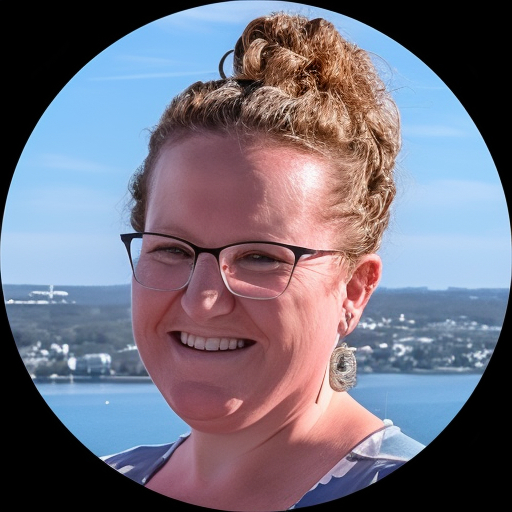
Amanda Grant
LCSW
LCSW - Relationships and trauma
License and NPI on record
- Credentials
- LCSW
- License
- LCSW, New York · No. 085970
- NPI
- 1629476148
- Experience
- 14 years
- Languages
- English
- State
- New York
As supplied to BetterHelp. A license can be checked with the state board, and an NPI with the national NPI registry.
- Attachment issues
- Parenting support
- Communication skills
About Amanda
Amanda Grant is a Licensed Clinical Social Worker (LCSW) with 14 years of experience based in New York. She works with people who are dealing with relationship concerns, trauma and abuse, intimacy issues, parenting strain, and low self-esteem. Amanda also addresses related struggles such as attachment wounds, abandonment, adoption and foster care matters, and challenges linked to autism and emotional regulation.
She has filled roles as a staff clinician, supervisor, therapist, and administrator across varied settings. That background informs practical decisions in sessions. Amanda draws on what has worked in real practice rather than presenting abstract theory.
Sessions focus on clear problems and everyday steps that help. She often supports clients coping with the impacts of sexual trauma and early childhood experiences. Attachment concerns, caregiver stress, and communication or control issues are frequent topics.
Amanda also helps people manage blended family dynamics, divorce and separation, and codependency or commitment worries. For some, work centers on body image, sexuality and self, or co-occurring mood and behavioral needs including Disruptive Mood Dysregulation Disorder (DMDD).
She aims for steady skill building and ongoing professional learning. That means sessions may include practical exercises, repeated practice between meetings, and planning for specific situations. To begin, the site’s matching questionnaire and scheduling tools guide next steps.
Approaches you may encounter in online sessions
Amanda works with evidence-based therapeutic techniques that aim to reduce symptoms and build skills. For someone coping with trauma, approaches that focus on processing difficult memories and learning coping strategies can help reduce reactivity and improve daily functioning. For relationship or attachment concerns, methods that examine interaction patterns and practice new behaviors help people shift how they relate to others.Choosing the right approach is part of the work together. The therapist will discuss goals, preferences, and what has or hasn’t helped before, then recommend techniques to try. Clients and the therapist adjust plans over time based on what is most useful.
The practical benefits of online work are about fitting therapy into life. Online options can make it easier to schedule shorter check-ins, avoid travel time, or have sessions from a quieter location. The original profile does not list specific session formats, so confirm the available formats before booking. A clear conversation about scheduling, session length, and homework expectations helps sessions fit into everyday routines.
Areas of expertise
Primary focus
Additional focus areas
Experience
14+ years
Credentials
New York
Languages
English
Frequently asked questions
What kinds of concerns does she address?
Amanda works with relationship problems, trauma and abuse, intimacy-related issues, parenting strain, and self-esteem concerns. She also addresses linked areas like attachment, abandonment, blended family challenges, and caregiver stress.
What is her therapeutic style?
She uses evidence-based therapeutic techniques with a practical focus. Sessions often include exercises and repeated practice to help people apply skills between meetings.
How much clinical experience does she have?
She has 14 years of experience working in clinical, supervisory, and administrative roles. That range of roles shapes how she plans and structures sessions.
What are her credentials and where is she located?
She is a Licensed Clinical Social Worker, NY LCSW, practicing in New York.
Which languages are supported in sessions?
Sessions are offered in English.
Does she work with clients outside the United States?
International clients are not currently accepted.
How are sessions arranged and what formats are offered?
The original biography does not list specific session formats. Confirm current session options before booking to know whether phone or video is available.
How are costs handled and how do I start?
Cost varies with location and sessions use a subscription that can be canceled at any time. To begin, select the See online therapy options button, complete the short matching questionnaire, and schedule a first session.
Before you reach out
- Check that the state license on record covers the state you live in.
- If exposure and response prevention (ERP) or another method matters to you, ask whether and how this counselor uses it.
- You do not need to explain every thought or ritual at the start. One example is enough.
- A profile shows the topics a counselor lists; it is not a diagnosis or a promise of results.
If you feel unsafe right now, call or text 988, or call 911.