Counselor profile
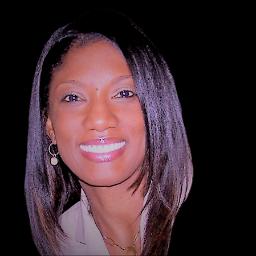
Anita Reed
LCSW-C, LCSW
Licensed social worker - anxiety and relationships
License and NPI on record
- Credentials
- LCSW-C, LCSW
- License 1
- LCSW, Virginia · No. 0904002384
- License 2
- LCSW-C, Maryland · No. 11077
- NPI
- 1487046249
- Experience
- 30 years
- Languages
- English
- State
- Virginia
As supplied to BetterHelp. A license can be checked with the state board, and an NPI with the national NPI registry.
- Stress and anxiety
- Relationship issues
- Parenting concerns
About Anita
Anita Reed is a Licensed Certified Social Worker in Maryland (LCSW-C) and a Licensed Clinical Social Worker in Virginia (LCSW) with 30 years of practice. She works with stress, anxiety, relationship concerns, parenting, self-esteem, and depression. She also addresses issues related to adoption and foster care, aging, caregiver stress, and family of origin problems.
Clients can expect straightforward, practical sessions. Anita listens for what keeps someone stuck and focuses on clear steps to reduce distress. She uses evidence-based therapeutic techniques to work on communication problems, control issues, codependency, and commitment worries.
Her background includes long experience helping people through separation, divorce, domestic violence impact, and blended family challenges. She also supports people dealing with avoidant or dependent personality patterns and disruptive mood dysregulation disorder concerns. Anita draws on decades of clinical work to recognise recurrent patterns and plan specific interventions.
In sessions she pays attention to everyday routines and relationships. She helps people try new ways of responding rather than simply talking about problems. Practical skills, repeated practice, and review of what does or does not help are part of how she works.
Anita practices from Virginia and offers services in English. She has experience with multicultural communities and with people navigating major life transitions. To begin, clients follow the site matching steps to schedule an initial meeting and outline priorities for therapy.
How evidence-based techniques translate to online sessions
Many of the techniques Anita uses focus on changing specific thoughts and behaviors. Cognitive behavioral approaches look at the link between thoughts, feelings, and actions and teach clear skills for shifting unhelpful thinking. They help with anxiety, low mood, and repetitive worry.Exposure and response reduction techniques involve gradual practice with feared or avoided situations while reducing ritualized responses. This kind of work targets checking, intrusive thoughts, and behaviors that get in the way of daily life. Repeated, supported practice is the practical core of these techniques.
Finding the right approach is part of the work she does with each person. Anita will review goals, discuss methods, and help decide which techniques to try first. That decision is collaborative and can change as progress is reviewed.
The practical benefits of online therapy include easier fitting of sessions into a busy week and the option to join from a familiar location. Some people find phone check-ins require less bandwidth, while video sessions allow for face-to-face interaction and longer work on skills. The original biography does not list specific session formats, so confirm current options before booking. Online sessions can make it simpler to build steady practice into everyday life without requiring extra travel.
Areas of expertise
Primary focus
Additional focus areas
Experience
30+ years
Credentials
Virginia, Maryland
Languages
English
Frequently asked questions
What concerns does she help with most often?
She works with stress, anxiety, relationship difficulties, parenting, self-esteem, and depression. Additional focus areas include adoption and foster care, caregiver stress, and family of origin issues.
What is her general approach in sessions?
She uses evidence-based therapeutic techniques and focuses on practical steps. Sessions emphasize identifying patterns and practicing new responses.
How much clinical experience does she have?
She brings 30 years of clinical experience to her work. That experience includes long-term work with relationship and mood concerns.
What are her credentials and where is she based?
She holds LCSW (Virginia) and LCSW-C (Maryland) credentials and practices from Virginia.
Which languages are offered for sessions?
Sessions are offered in English.
Does she work with international clients?
She is not currently accepting international clients.
What session formats are available?
The original biography does not specify session formats. Please confirm current session options before booking.
How are costs and scheduling handled?
Fees vary by location and sessions use a subscription that can be canceled at any time. To start, complete the short matching questionnaire and schedule a first session.
Before you reach out
- Check that the state license on record covers the state you live in.
- If exposure and response prevention (ERP) or another method matters to you, ask whether and how this counselor uses it.
- You do not need to explain every thought or ritual at the start. One example is enough.
- A profile shows the topics a counselor lists; it is not a diagnosis or a promise of results.
If you feel unsafe right now, call or text 988, or call 911.