Counselor profile
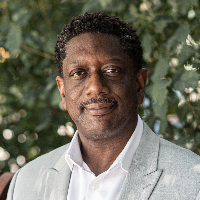
Barry Winley
LMHC
Licensed Mental Health Counselor - Anxiety and Relationships
License and NPI on record
- Credentials
- LMHC
- License
- LMHC, New York · No. 003955-1
- NPI
- 1588266431
- Experience
- 15 years
- Languages
- English
- State
- New York
As supplied to BetterHelp. A license can be checked with the state board, and an NPI with the national NPI registry.
- Cognitive Behavioral Therapy
- Attachment-Based approaches
- Mindfulness practices
About Barry
Barry Winley is a Licensed Mental Health Counselor (LMHC) practicing in New York with 15 years of direct counseling experience. He works with stress, anxiety, trauma and abuse, mood concerns, relationship difficulties, addictions, and related issues in day-to-day life.
He began his career evaluating people involved with the criminal justice system, often addressing PTSD linked to incarceration and the stress of community supervision. That work included veterans, law enforcement, teachers, students, and varied community members. These experiences shaped how he notices the practical effects of trauma and loss on routines and behavior.
In sessions he uses straightforward, skills-based methods drawn from cognitive behavioral therapy and mindfulness to reduce unhelpful thinking and calm reactive patterns. He also incorporates attachment-based ideas to look at how early relationships influence current bonds. Jungian concepts appear sometimes when exploring personal meaning and recurring life themes.
Barry describes a framework he calls the 7 Pillars of Health to help people track daily habits that affect mood and functioning. This includes small, measurable steps clients can use between sessions to manage stress, improve sleep, and reduce checking or avoidance behaviors.
He offers a practical orientation that blends talk work with exercises and short at-home practices. People are invited to identify specific problems they want to change and to test new coping steps in real life. His approach is direct and focused on usable strategies rather than abstract theory.
How his approaches translate to online work
Barry uses cognitive behavioral therapy to identify unhelpful thoughts and test new behaviors; online sessions often focus on concrete skill practice and homework that can be tried between meetings. Attachment-Based Therapy is used to map relationship patterns and to develop different ways of relating to others, helping with intimacy and communication concerns. Mindfulness Therapy provides short attention and breathing exercises to reduce reactivity and improve sleep and focus.Finding the right mix of methods is part of the work. He will discuss options with each person and agree on which approaches to emphasize based on concerns, goals, and preferences. This collaborative process helps shape session plans and the kinds of at-home practices recommended.
The original biography does not list specific online session formats, so confirm the available formats before booking. Online work can make it easier to fit sessions into busy days, allow shorter check-ins when needed, and reduce travel time. Many clients find remote sessions let them try skills in real life between meetings and report that the practical focus translates well to everyday routines.
Areas of expertise
Primary focus
Also works with
Additional focus areas
Therapeutic approaches
Experience
15+ years
Credentials
New York
Languages
English
Frequently asked questions
What kinds of problems does he help with most often?
He works with stress, anxiety, trauma and abuse, depression, addictions, relationship and intimacy issues, and problems like sleep, eating, and parenting.
What is his general approach in sessions?
He uses practical methods such as cognitive behavioral work and mindfulness, combined with attachment-based ideas and occasional Jungian exploration to make patterns clearer.
How long has he been practicing?
He has 15 years of experience in direct mental health counseling, including work with people impacted by the criminal justice system.
What are his credentials and where does he practice?
He is a Licensed Mental Health Counselor (LMHC) licensed in New York and practices from that location.
Does he offer sessions in other languages or internationally?
Sessions are offered in English and he accepts international clients.
What session formats are available?
The original biography does not list specific session formats; please confirm current session options before booking.
How are fees handled?
Cost varies with location and sessions operate through a subscription model that can be canceled at any time.
What do I do to start working with him?
Select the See online therapy options button, complete a short matching questionnaire, and schedule a first session.
Before you reach out
- Check that the state license on record covers the state you live in.
- If exposure and response prevention (ERP) or another method matters to you, ask whether and how this counselor uses it.
- You do not need to explain every thought or ritual at the start. One example is enough.
- A profile shows the topics a counselor lists; it is not a diagnosis or a promise of results.
If you feel unsafe right now, call or text 988, or call 911.