Counselor profile
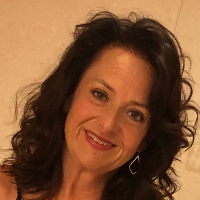
Brandi Denson
LCSW
LCSW - Anxiety and Life Changes
License and NPI on record
- Credentials
- LCSW
- License
- LCSW, Texas · No. 27253
- NPI
- 1144552241
- Experience
- 17 years
- Languages
- English
- State
- Texas
As supplied to BetterHelp. A license can be checked with the state board, and an NPI with the national NPI registry.
- CBT techniques
- Client-Centered work
- Solution-Focused steps
About Brandi
Brandi Denson is a Licensed Clinical Social Worker (LCSW) practicing in Texas with 17 years of experience. She helps people facing anxiety, stress, depression, grief, relationship strain, and life changes. She also addresses substance concerns, sleep and eating issues, ADHD, bipolar-related challenges, and a range of trauma and attachment matters.
Her background includes work in independent practice, schools, hospitals, nursing homes, home health, and company settings. That range gives her many ways to look at a problem and practical ideas to try. Sessions focus on clear steps you can take and on building steady routines and coping skills.
She uses Client-Centered Therapy to listen and follow what matters most to the person in front of her. Cognitive Behavioral Therapy, or CBT, is used to examine thoughts and behaviors and to practice small, concrete changes. Solution-Focused Therapy helps identify immediate goals and the steps to reach them.
Brandi aims to help people notice workable changes quickly and to strengthen supports around them. She talks through specific behaviors and patterns rather than long theoretical explanations. Over time she helps people build habits that reduce repetitive worry, checking, or avoidance.
Practical matters such as sleep, daily routines, caregiving stress, and coping after loss are often part of sessions. People who prefer clear, action-oriented work that still values their experience may find her approach a direct fit.
Approach and how online sessions work
Brandi uses Client-Centered Therapy, Cognitive Behavioral Therapy (CBT), and Solution-Focused Therapy in her work. Client-Centered Therapy focuses on listening and responding to what matters most to the person. CBT looks at thoughts and behaviors and uses practical exercises to change patterns that maintain anxiety or low mood. Solution-Focused Therapy narrows in on immediate goals and the steps that lead to them, which can help when someone needs quick, usable strategies.Finding the right approach is part of the process. The therapist will work together with the person to decide which methods fit their goals, needs, and preferences. That collaborative decision guides what is tried first and what adjustments are made as sessions progress.
Session formats are not listed in the biography, so confirm current options before booking. Online work can make it easier to fit therapy into a busy week, shorten travel time, and allow shorter check-ins when needed. It also lets people practice skills in the context of their daily routines and quickly bring real-life situations into sessions for discussion and planning.
Areas of expertise
Also works with
Additional focus areas
Therapeutic approaches
Experience
17+ years
Credentials
Texas
Languages
English
Frequently asked questions
What kinds of issues does she help with most often?
She works with stress, anxiety, depression, grief, relationship and family concerns, addictions, sleep and eating issues, ADHD, bipolar challenges, and trauma-related problems.
How would you describe her therapeutic style?
Her style is practical and person-focused, combining listening with concrete steps. Sessions aim to identify behaviors to change and small goals to practice between meetings.
How much experience does she have?
She has 17 years of clinical experience as a Licensed Clinical Social Worker.
Where is she licensed and practicing?
She is a Licensed Clinical Social Worker (LCSW) in Texas and practices there.
Which languages are supported in sessions?
Sessions are offered in English.
Can people outside the U.S. work with her?
She does not accept international clients at this time.
How are fees handled?
Cost varies with location; sessions use a subscription that can be canceled at any time.
What do I do to start therapy?
Select the See online therapy options button, complete a short matching questionnaire, and schedule a first session.
Before you reach out
- Check that the state license on record covers the state you live in.
- If exposure and response prevention (ERP) or another method matters to you, ask whether and how this counselor uses it.
- You do not need to explain every thought or ritual at the start. One example is enough.
- A profile shows the topics a counselor lists; it is not a diagnosis or a promise of results.
If you feel unsafe right now, call or text 988, or call 911.