Counselor profile
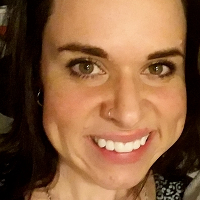
Brandi Geddings
LCMHC
Licensed Clinical Mental Health Counselor - anxiety and mood concerns
License and NPI on record
- Credentials
- LCMHC
- License
- LCMHC, North Carolina · No. 12425
- NPI
- 1336694538
- Experience
- 7 years
- Languages
- English
- State
- North Carolina
As supplied to BetterHelp. A license can be checked with the state board, and an NPI with the national NPI registry.
- ACT and CBT methods
- DBT skill practice
- Person-centered approach
About Brandi
Brandi Geddings is a Licensed Clinical Mental Health Counselor (LCMHC) in North Carolina with seven years of experience. She works with people facing stress, anxiety, anger, self-esteem challenges, parenting strain, relationship issues, trauma, mood concerns, and related struggles.
She keeps conversations straightforward and avoids heavy clinical language. Sessions focus on practical skills, clearer thinking, and steady coping strategies. Brandi aims to build a direct collaborative relationship and listens without judgment so clients can speak plainly about what’s hard.
Her approach pulls from several well-known methods, including acceptance and commitment work, cognitive behavioral strategies, and dialectical behavior techniques. She also uses client-centered and existential ideas to help people notice patterns and choose workable steps. Sessions often include skill practice, simple psychoeducation, and problem-solving exercises.
Brandi has experience in outpatient settings with children, adolescents, and adults and has run individual and group formats in the past. She describes her work as strength-based and person-centered, helping clients spot existing resources and then build on them. Practical goals and straightforward tools are central to her process.
People who prefer clear, conversational therapy and concrete coping techniques may find this style helpful. Before booking, check which session formats are being offered to confirm they match your needs and daily routine.
How her approaches translate to online work
Acceptance and Commitment Therapy (ACT) helps people notice difficult thoughts and feelings without getting stuck. It supports choosing actions that align with personal values even when anxiety or intrusive thoughts are present. Cognitive Behavioral Therapy (CBT) focuses on identifying unhelpful thinking patterns and testing them with small experiments and behavioral changes. CBT is often used for anxiety, depression, and trouble with repetitive thoughts or checking. Dialectical Behavior Therapy (DBT) offers specific skills for emotional regulation, distress tolerance, and improving interpersonal effectiveness when emotions feel overwhelming.Finding the right approach is part of the work. Brandi will collaborate with each person to pick methods that match their goals, needs, and preferences. Sessions can mix techniques so clients learn both immediate coping skills and longer-term thinking changes.
The original biography does not specify exact online session formats, so confirm current options before booking. Many people find online sessions helpful for fitting therapy into a busy day, cutting travel time, and keeping regular contact with a therapist. Others prefer shorter check-ins or skill-focused sessions when time is tight. Discuss format preferences when you schedule so sessions can fit into your routine.
Areas of expertise
Primary focus
Also works with
Additional focus areas
Therapeutic approaches
Experience
7+ years
Credentials
North Carolina
Languages
English
Frequently asked questions
What kinds of concerns does she address most often?
She works with stress, anxiety, depression, mood concerns, trauma, relationship and family problems, parenting strain, ADHD, and related issues.
How would you describe her therapeutic style?
She uses plain language and a collaborative, person-centered stance. Therapy focuses on practical skills, problem solving, and clear goals.
What is her clinical background and experience?
She has seven years of experience and has worked in outpatient settings with children, adolescents, and adults across the lifespan.
What are her credentials and where is she based?
She is an LCMHC licensed in North Carolina and practices in that state.
Does she offer sessions in other languages or to international clients?
Sessions are offered in English and she is not accepting international clients.
What session formats does she use?
The original biography does not list specific session formats. Please confirm the current session options before booking.
How does payment and cost work?
Cost varies with location and sessions use a subscription that can be canceled at any time.
How do I begin working with her?
Select the See online therapy options button, complete the short matching questionnaire, and schedule a first session.
Before you reach out
- Check that the state license on record covers the state you live in.
- If exposure and response prevention (ERP) or another method matters to you, ask whether and how this counselor uses it.
- You do not need to explain every thought or ritual at the start. One example is enough.
- A profile shows the topics a counselor lists; it is not a diagnosis or a promise of results.
If you feel unsafe right now, call or text 988, or call 911.