Counselor profile
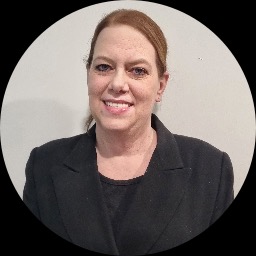
Brenda Wilson
LMHC
Licensed Mental Health Counselor - OCD and hoarding focus
License and NPI on record
- Credentials
- LMHC
- License
- LMHC, Washington · No. LH00005933
- NPI
- 1386611168
- Experience
- 20 years
- Languages
- English
- State
- Washington
As supplied to BetterHelp. A license can be checked with the state board, and an NPI with the national NPI registry.
- Anxiety and mood support
- Addiction related work
- Skills and behavioral plans
About Brenda
Brenda Wilson is a Licensed Mental Health Counselor (LMHC) in Washington with 20 years of clinical experience. She works with people coping with anxiety, depression, addictions, bipolar disorder, grief, relationship struggles and other life stressors. She helps clients who are dealing with intrusive thoughts, compulsive behaviors, difficulty letting go, and the everyday impacts of these problems.
Her background includes work in both inpatient and outpatient settings over two decades. That practical experience means she is familiar with crisis work, longer term therapy, and short-term goal-focused care. She listens to what matters to each person and frames sessions around concrete steps rather than vague promises.
In session she focuses on clear skills and strategies people can use between meetings. That can include ways to reduce compulsive checking, address avoidance, manage mood swings, and handle stressful life or parenting demands. She also works on relationships, self-esteem, and coping with chronic illness or loss.
Brenda uses evidence-based techniques and prefers a collaborative style. She and the client review goals and adjust plans as needed. Progress is tracked through specific behavioral changes and regular check-ins.
She practices in Washington and offers services in English. Before booking, readers should confirm the current session options and formats available.
How evidence-based techniques work in remote care
Brenda uses evidence-based therapeutic techniques aimed at changing unhelpful behaviors and thoughts. Cognitive behavioral strategies help people identify and shift thought patterns that drive anxiety or compulsive behavior. These methods focus on practical exercises and short experiments to test new ways of responding.Behavioral approaches include graded exposure and response prevention style work to reduce avoidance and compulsive checking. This involves planned, gradual practice of facing distressing triggers while reducing rituals. For mood and stress-related problems she employs behavioral activation and skill teaching to increase helpful routines and coping options.
Choosing the right approach is a collaborative process. Brenda works with the client to set clear goals, try out techniques, and adjust the plan based on what is working. She explains options in plain terms and tracks progress with measurable steps so adjustments are practical and direct.
Session formats are not specified in the biography, so confirm current options before booking. Online therapy can make it easier to fit sessions into a busy schedule, reduce travel time, and allow for brief check-ins when needed. It can also let clients practice skills in their usual surroundings and bring real-life situations into the work.
Areas of expertise
Primary focus
Also works with
Additional focus areas
Experience
20+ years
Credentials
Washington
Languages
English
Frequently asked questions
What concerns does she help with most often?
She helps with anxiety, depression, addictions, bipolar disorder, grief, relationship and family problems, and stress-related issues.
What is her therapeutic style like?
She uses a practical, collaborative approach that focuses on concrete skills and measurable changes.
How much experience does she have?
She has 20 years of professional experience in both inpatient and outpatient settings.
What are her credentials and where does she practice?
She is a Licensed Mental Health Counselor (LMHC) licensed in Washington and practices in Washington state.
In which languages can sessions be held?
Sessions are offered in English.
Does she work with clients outside the United States?
She does not accept international clients at this time.
How are sessions arranged and what does it cost?
Cost varies by location; sessions use a subscription that can be canceled at any time.
How do I begin working with her?
Select the See online therapy options button, complete the short matching questionnaire, and schedule a first session.
Before you reach out
- Check that the state license on record covers the state you live in.
- If exposure and response prevention (ERP) or another method matters to you, ask whether and how this counselor uses it.
- You do not need to explain every thought or ritual at the start. One example is enough.
- A profile shows the topics a counselor lists; it is not a diagnosis or a promise of results.
If you feel unsafe right now, call or text 988, or call 911.