Counselor profile
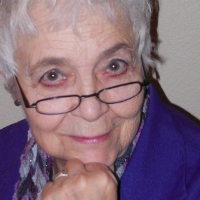
Dr. Carol Carrell
LMFT
LMFT in California - OCD and hoarding support
License and NPI on record
- Credentials
- LMFT
- License 1
- LMFT, California · No. 29475
- License 2
- LMFT, Arizona · No. LMFT-15478
- NPI
- 1659691400
- Experience
- 30 years
- Languages
- English
- State
- California
As supplied to BetterHelp. A license can be checked with the state board, and an NPI with the national NPI registry.
- CBT methods
- DBT skills
- Relationship focus
About Carol
Dr. Carol Carrell is an LMFT - Licensed Marriage and Family Therapist in California with 30 years of clinical experience. She lists stress, anxiety, depression, addiction, relationship concerns, ADHD, LGBT issues, hoarding and OCD among the areas she addresses. Her opening description makes clear she uses several approaches rather than a single method.
She keeps sessions direct and practical. Conversations focus on what is happening now, what patterns are getting in the way, and clear steps people can try between sessions. Cognitive Behavioral Therapy and Dialectical Behavior Therapy are part of her toolkit, along with client-centered and emotionally focused work. These approaches are used to reduce distress and improve how people manage triggers and daily demands.
Her background includes long experience in clinical settings and as a professor and supervisor. That experience informs a measured, experience-based practice that emphasizes skills training, communication work, and attention to caregiver stress and chronic illness when those issues are present. She also has experience supporting people facing trauma, abuse, and addiction-related problems.
When relationships are the focus she prioritizes building constructive communication and identifying each person's strengths. For people dealing with caregiver fatigue or chronic medical conditions she pays attention to the specific stresses that arise and practical ways to address them. Work with LGBT concerns includes support around coming out and community-related stress.
She describes therapy as collaborative and task-oriented. New clients complete a brief intake and then plan early steps together. Sessions aim to reduce repetitive checking, ease intrusive thoughts, and help people develop clearer coping strategies for daily life.
How her approaches translate to online work
Client-Centered Therapy focuses on listening and supporting a person's own perspective. It helps people clarify values and what matters to them, and it can reduce feeling stuck. Cognitive Behavioral Therapy (CBT) looks at the links between thoughts, feelings, and behaviors and uses exercises to change unhelpful patterns. CBT is commonly used for anxiety, obsessive thinking, and unwanted checking. Dialectical Behavior Therapy (DBT) teaches skills for managing intense emotions and improving distress tolerance and interpersonal effectiveness, which can be useful when stress leads to impulsive or avoidant reactions.Choosing which approach to use is part of the early work. The therapist will review goals, try different techniques, and recommend what seems to fit best. That collaborative process means methods may shift as progress is observed or needs change.
If you plan to meet online, confirm the session formats before booking since the biography does not specify them. Online sessions can make it easier to fit therapy into a busy day, allow shorter check-in meetings when needed, and remove travel time. Some formats use less bandwidth or allow audio-only conversations for quieter check-ins. Discuss practical preferences during the initial matching questionnaire so sessions can be arranged to suit daily life.
Areas of expertise
Primary focus
Also works with
Additional focus areas
Therapeutic approaches
Experience
30+ years
Credentials
California, Arizona
Languages
English
Frequently asked questions
What concerns does she help with most?
She works with stress, anxiety, depression, addiction, relationship and family issues, ADHD, and concerns related to LGBT identity among other topics.
What is her therapeutic style like?
Her approach is practical and collaborative, using talk therapy alongside skills practice and communication work to address patterns and symptoms.
How much clinical experience does she have?
She has worked in counseling for 30 years and has experience as a professor and clinical supervisor.
What credential and location should I know about?
She is an LMFT licensed in California and practices from that state.
Which languages are sessions offered in?
Sessions are offered in English.
Can international clients work with her?
International clients are not currently accepted.
How are sessions billed and what does it cost?
Cost varies by location and sessions use a subscription model that can be canceled at any time.
How do I begin working with her?
Use the See online therapy options button, complete a short matching questionnaire, and schedule your first session.
Before you reach out
- Check that the state license on record covers the state you live in.
- If exposure and response prevention (ERP) or another method matters to you, ask whether and how this counselor uses it.
- You do not need to explain every thought or ritual at the start. One example is enough.
- A profile shows the topics a counselor lists; it is not a diagnosis or a promise of results.
If you feel unsafe right now, call or text 988, or call 911.