Counselor profile
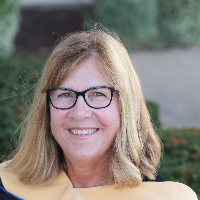
Dr. Cindy Cook
LCSW
LCSW - Anxiety and OCD support
License and NPI on record
- Credentials
- LCSW
- License
- LCSW, Illinois · No. 149.010301
- NPI
- 1629663711
- Experience
- 23 years
- Languages
- English
- State
- Illinois
As supplied to BetterHelp. A license can be checked with the state board, and an NPI with the national NPI registry.
- CBT methods
- Client-centered work
- Emotion-focused tools
About Cindy
Dr. Cindy Cook is an LCSW (Licensed Clinical Social Worker) with 23 years of practice in Illinois. She works with people who face stress, anxiety, depression, relationship struggles, parenting challenges, ADHD, addictions, and concerns such as OCD. Her first focus is helping someone feel understood and begin practical steps toward change.
She uses a conversational, interactive style and adapts sessions to what each person needs. Cognitive Behavioral Therapy (CBT) is part of her approach, along with Client-Centered Therapy, Emotionally-Focused Therapy (EFT), Narrative Therapy, and Solution-Focused Therapy. She blends these methods to address thoughts, feelings, and patterns that keep problems going.
In sessions she will talk through specific problems and try practical strategies you can use between meetings. That can include identifying unhelpful thinking, testing small behavior changes, and looking at how relationships affect daily life. She also pays attention to past events that still affect how someone copes now.
Her background includes work with people affected by physical trauma and emotional abuse, and she has experience supporting issues around grief, intimacy, and caregiver stress. She has decades of clinical experience in community and clinical settings in Illinois.
Sessions are conducted in English. Costs vary by location and use a subscription model that can be canceled at any time. To begin, a person completes a short matching questionnaire and schedules a first session through the online options button.
How her approaches translate to online work
Client-Centered Therapy focuses on listening and building understanding. It helps people feel heard and shapes sessions around what matters most to them. Cognitive Behavioral Therapy (CBT) looks at the links between thoughts, feelings, and actions and uses concrete exercises to change unhelpful patterns. Emotionally-Focused Therapy (EFT) concentrates on how emotions appear in relationships and helps people notice and respond to those emotional patterns.Choosing the right approach is part of the work together. The therapist will review goals, preferences, and what feels most useful. That way they pick methods and exercises that fit the person rather than forcing a single model.
Session logistics should be confirmed before booking since formats are not specified in the biography. Ask which session types are offered when you complete the matching questionnaire. Online sessions can make it easier to schedule therapy around work, childcare, or daily routines, and they can allow shorter check-ins or sessions without being on camera depending on what the therapist provides.
Areas of expertise
Primary focus
Also works with
Additional focus areas
Therapeutic approaches
Experience
23+ years
Credentials
Illinois
Languages
English
Frequently asked questions
What concerns does she help with most often?
She works with stress, anxiety, depression, relationship and parenting issues, ADHD, addictions, OCD, trauma and related concerns.
What is her therapeutic style like?
Her style is interactive and conversational. She mixes practical strategies with discussion about emotions and patterns.
How much experience does she have?
She has 23 years of clinical experience working in Illinois settings with a wide range of concerns.
What are her credentials and where is she based?
She is an LCSW licensed in Illinois and practices with that credential in the state.
Which languages are supported?
Sessions are offered in English.
Does she work with international clients?
She does not accept international clients at this time.
How are sessions billed?
Costs vary with location and sessions use a subscription that can be canceled at any time.
How do I start a first session?
Use the See online therapy options button, complete a short matching questionnaire, and schedule your first session.
Before you reach out
- Check that the state license on record covers the state you live in.
- If exposure and response prevention (ERP) or another method matters to you, ask whether and how this counselor uses it.
- You do not need to explain every thought or ritual at the start. One example is enough.
- A profile shows the topics a counselor lists; it is not a diagnosis or a promise of results.
If you feel unsafe right now, call or text 988, or call 911.