Counselor profile
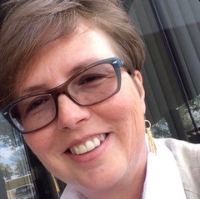
Cynthia Herndon
LMSW
LMSW - anxiety and addictions
License and NPI on record
- Credentials
- LMSW
- License
- LMSW, Michigan · No. 6801082834
- NPI
- 1295755460
- Experience
- 20 years
- Languages
- English
- State
- Michigan
As supplied to BetterHelp. A license can be checked with the state board, and an NPI with the national NPI registry.
- CBT techniques
- Mindfulness practice
- Motivational interviewing
About Cynthia
Cynthia Herndon is a Licensed Master Social Worker (LMSW) with 20 years of experience. She lists stress, anxiety, addictions, grief, depression, relationship and trauma concerns among her focus areas, including work related to mood disorders and substance use. Cynthia practices from Michigan and offers services in English, and she accepts international clients.
She uses straightforward, interactive conversations to identify what matters most to each person. Sessions focus on clear goals and skills people can use between meetings. Cynthia draws on methods such as cognitive behavioral techniques and mindfulness to address unhelpful thoughts, compulsive behaviors, and coping strategies for difficult emotions.
Her background includes work in hospitals, outpatient clinics, homeless outreach, and rural care settings. She has experience supporting veterans, caregivers, elder and hospice populations, and LGBTQ people. Cynthia also has experience with guardianship procedures, advance directives, and durable power of attorney questions.
When substance use is part of the concern, she integrates approaches that include motivational interviewing and evidence-based behavioral strategies aimed at reducing harm and improving daily functioning. She emphasizes collaborative planning so people know what to expect from each session and how progress will be measured.
Practical matters are discussed directly, including coping tools for sleep, anger, and stress, and steps to manage relapse risks when addiction is present. To begin, readers are asked to use the See online therapy options button, complete a short matching questionnaire, and schedule a first session.
How her approaches translate to online work
Client-Centered Therapy is about listening and focusing on the person's priorities. It helps clarify values and goals and guides collaborative planning. Cognitive Behavioral Therapy (CBT) focuses on identifying unhelpful thoughts and behaviors and replacing them with practical skills. CBT is commonly used for anxiety, mood concerns, and compulsive patterns. Mindfulness Therapy teaches simple practices for noticing thoughts and bodily reactions, which can reduce reactivity and improve attention.Choosing a therapeutic approach is part of the work. The therapist will review concerns, goals, and preferences and then suggest which methods to try first. That suggestion can change as sessions progress, and decisions are made together so people understand the steps and expected tasks between meetings.
Session formats are not specified in the biography, so confirm current session options before booking. Online sessions can make it easier to fit therapy into a busy week, allow shorter check-ins when needed, and remove the time spent traveling to an office. These practical benefits help people sustain therapy while managing daily responsibilities.
Areas of expertise
Primary focus
Also works with
Additional focus areas
Therapeutic approaches
Experience
20+ years
Credentials
Michigan
Languages
English
Frequently asked questions
What kinds of problems does she help with most often?
She works with stress, anxiety, depression, addictions, grief, relationship issues, trauma, and related concerns such as sleep and anger management.
What approach does she use in sessions?
She uses client-centered work combined with cognitive behavioral methods, mindfulness, motivational interviewing, and solution-focused techniques to set goals and build practical skills.
How much clinical experience does she have?
She has 20 years of experience practicing as an LMSW and has worked in hospitals, outpatient clinics, outreach services, and rural settings.
What is her professional credential and where is she based?
She is an LMSW (Licensed Master Social Worker) and is based in Michigan.
Which languages are supported for sessions?
Sessions are offered in English.
Can people outside the United States work with her?
International clients are accepted.
How are sessions arranged and what do they cost?
Cost varies with location and sessions use a subscription that can be canceled at any time.
How do I begin work with her?
Use the See online therapy options button, complete a short matching questionnaire, and schedule a first session.
Before you reach out
- Check that the state license on record covers the state you live in.
- If exposure and response prevention (ERP) or another method matters to you, ask whether and how this counselor uses it.
- You do not need to explain every thought or ritual at the start. One example is enough.
- A profile shows the topics a counselor lists; it is not a diagnosis or a promise of results.
If you feel unsafe right now, call or text 988, or call 911.