Counselor profile
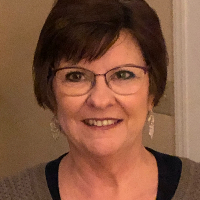
Debbie Esque
LCMHC
Licensed Clinical Mental Health Counselor - OCD and mood concerns
License and NPI on record
- Credentials
- LCMHC
- License 1
- LCMHC, North Carolina · No. 3812
- License 2
- LPC, New Jersey · No. 37PC00853900
- License 3
- LCMHC, New Hampshire · No. 2735
- NPI
- 1164568408
- Experience
- 20 years
- Languages
- English
- State
- North Carolina
As supplied to BetterHelp. A license can be checked with the state board, and an NPI with the national NPI registry.
- Cognitive Behavioral Therapy
- Rational Emotive Therapy
- Work on obsessions
About Debbie
Debbie Esque is a Licensed Clinical Mental Health Counselor (LCMHC) in North Carolina with 20 years of experience. She works with people facing stress, anxiety, mood concerns like bipolar and depression, and struggles with obsessions, compulsions, and OCD. She also helps with relationship and family concerns, parenting, grief, trauma, and life changes.
Debbie uses Cognitive Behavioral Therapy (CBT) along with elements of Rational Emotive Therapy and integrative techniques to address what gets in the way of daily functioning. Sessions focus on clear goals and practical steps people can try between meetings. She keeps conversations direct when needed, while listening and giving actionable feedback.
Her background includes long clinical experience across many age groups and life situations. That experience shapes a straightforward style that balances careful listening with guidance on behavior and thought patterns. She names problems plainly and works on skills people can use immediately.
In sessions she often breaks problems into manageable parts. That can mean identifying unhelpful thoughts, testing them, and trying different responses. For someone struggling with checking, intrusive thoughts, or difficulty letting go, this approach aims to reduce intrusive cycles and increase control over daily routines.
Debbie asks people to be clear about their goals at the start so progress can be measured. She uses her training and years of practice to help people address mood disorders, anxiety, OCD-related concerns, and relationship or parenting stress. To begin, she asks prospective clients to complete a short matching questionnaire and schedule a first session.
How CBT and related methods are used in online sessions
Debbie uses Cognitive Behavioral Therapy (CBT) as a central method. CBT looks at the links between thoughts, feelings, and behavior and teaches skills to change patterns that maintain problems. This helps with anxiety, mood disorders, and obsessive-compulsive patterns by giving clear, practical tools to test and change unhelpful thoughts.She also draws on Rational Emotive Therapy and integrative techniques when they fit a person's needs. Rational Emotive Therapy focuses on identifying rigid beliefs and trying alternatives. Integrative elements allow mixing approaches so the work matches the client's situation. Debbie treats choosing an approach as a collaborative decision based on your goals and preferences.
Finding the right method is part of the process and she will work with clients to adjust the plan over time. That means checking what helps, changing exercises, and setting concrete goals together. For session logistics, confirm the current session formats before booking since formats were not specified in the biography. Online work can make it easier to fit therapy into daily life by reducing travel, allowing shorter check-ins during a break, and offering options that suit quieter surroundings or lower bandwidth needs.
Areas of expertise
Primary focus
Also works with
Additional focus areas
Therapeutic approaches
Experience
20+ years
Credentials
North Carolina, New Jersey, New Hampshire
Languages
English
Frequently asked questions
What issues does she commonly address?
She works with stress, anxiety, mood disorders such as bipolar and depression, and obsessive-compulsive concerns among other topics like parenting, grief, and trauma.
What is her therapeutic approach like?
Her primary method is Cognitive Behavioral Therapy (CBT), with elements of Rational Emotive Therapy and integrative techniques used as needed.
How long has she been practicing?
She has around 20 years of experience working with people across many ages and life situations.
What are her credentials and where is she licensed?
She is a Licensed Clinical Mental Health Counselor (LCMHC) licensed in New Hampshire (NH LCMHC) and North Carolina (NC LCMHC), practicing in North Carolina.
Which languages are supported for sessions?
Sessions are offered in English.
Can people outside the U.S. work with her?
She does not accept international clients at this time.
How are sessions paid for?
Costs vary with location and sessions use a subscription model that can be canceled at any time.
How do I start a first session?
Begin by selecting the See online therapy options button, complete a short matching questionnaire, and schedule a first session.
Before you reach out
- Check that the state license on record covers the state you live in.
- If exposure and response prevention (ERP) or another method matters to you, ask whether and how this counselor uses it.
- You do not need to explain every thought or ritual at the start. One example is enough.
- A profile shows the topics a counselor lists; it is not a diagnosis or a promise of results.
If you feel unsafe right now, call or text 988, or call 911.