Counselor profile
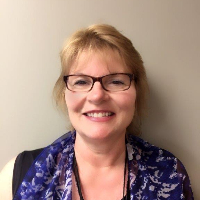
Diane Hendricks
LCSW, LSCSW
LCSW supporting anxiety and trauma recovery
License and NPI on record
- Credentials
- LCSW, LSCSW
- License 1
- LCSW, Missouri · No. 001441
- License 2
- LSCSW, Kansas · No. LSCSW 06582
- NPI
- 1891223558
- Experience
- 15 years
- Languages
- English
- State
- Kansas
As supplied to BetterHelp. A license can be checked with the state board, and an NPI with the national NPI registry.
- Client-centered approach
- Cognitive Behavioral Therapy
- Mindfulness practices
About Diane
Diane Hendricks is a Licensed Clinical Social Worker (LCSW) with 15 years of experience. She holds an LCSW in Missouri and an LSCSW in Kansas and works with a wide range of concerns including stress, anxiety, trauma and abuse, grief, depression, and ADHD. Diane also lists support for relationship and intimacy-related issues, addictions, parenting, and other life changes.
She trained at the University of Kansas with a Master's in Social Work and has spent much of her career in psychiatric settings. Her background includes work in senior counseling, hospice, and with veterans and first responders. She has also worked with the LGBT community and with people facing chronic illness or caregiver stress.
Diane uses a client-centered style that focuses on what matters to the person in front of her. She listens first, then works with people to set goals and try practical steps. She uses approaches such as Cognitive Behavioral Therapy (CBT), Emotionally-Focused Therapy (EFT), and Mindfulness Therapy when they fit a person’s needs.
Sessions are conversational and direct. Diane aims to be nonjudgmental and approachable, and she sometimes brings lightness into sessions when it helps. She encourages people to speak plainly about the problems that are most pressing for them.
For people worried about intrusive thoughts, checking behaviors, or difficulty letting go, Diane can help sort out what to try next. She asks questions, suggests exercises to practice between sessions, and reviews what is or isn’t helping as therapy moves forward.
How her approaches translate to online work
Client-Centered Therapy here means the therapist focuses on listening and responding to what matters most to the person. That often looks like open conversation about immediate concerns and using the client's own goals to shape the plan. Cognitive Behavioral Therapy (CBT) involves identifying patterns of thought and behavior and trying small, practical experiments between sessions to see what changes. Emotionally-Focused Therapy (EFT) helps people identify and name difficult emotions and work on how those emotions affect important relationships.Deciding which approach to use is a collaborative part of therapy. Diane will talk through options, try approaches that seem likely to help, and check in about what feels useful. Clients and therapist adjust the plan as they learn what works best for the presenting problem and goals.
The profile does not list specific session formats, so confirm current online options before booking. Online work can make it easier to fit sessions into a busy week, reduce travel time, and allow shorter check-ins when needed. It also makes it possible to practice techniques at home between sessions and then review how those felt during the next meeting.
Areas of expertise
Also works with
Additional focus areas
Therapeutic approaches
Experience
15+ years
Credentials
Missouri, Kansas
Languages
English
Frequently asked questions
What issues does she help with most often?
She works with stress, anxiety, trauma and abuse, grief, depression, ADHD, relationship and intimacy-related concerns, and related life changes.
What is her therapeutic style?
Her style is client-centered and conversational. She listens first, then collaborates on practical steps and exercises.
How much experience does she have?
She has 15 years of clinical experience, including work in psychiatric settings, hospice, senior counseling, and with veterans and first responders.
What are her credentials and where is she based?
She is a Licensed Clinical Social Worker with LCSW and LSCSW credentials and practices from Kansas with licensure ties to Missouri and Kansas as listed.
Which languages does she offer sessions in?
Sessions are offered in English.
Does she work with international clients?
She does not accept international clients at this time.
How are sessions arranged and what formats are offered?
Confirm current session options before booking; the profile does not list specific formats. Please check available formats when you schedule.
How does cost and scheduling work?
Cost varies by location and sessions use a subscription that can be canceled at any time. To start, complete the matching questionnaire and schedule a first session.
Before you reach out
- Check that the state license on record covers the state you live in.
- If exposure and response prevention (ERP) or another method matters to you, ask whether and how this counselor uses it.
- You do not need to explain every thought or ritual at the start. One example is enough.
- A profile shows the topics a counselor lists; it is not a diagnosis or a promise of results.
If you feel unsafe right now, call or text 988, or call 911.