Counselor profile
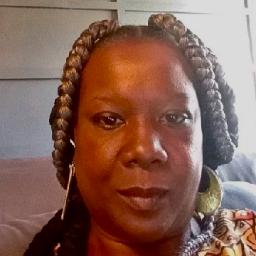
Diane Jordan
LPC, LCMHC
LPC and LCMHC - relationships and family
License and NPI on record
- Credentials
- LPC, LCMHC
- License 1
- LCMHC, North Carolina · No. 12587
- License 2
- LPC, South Carolina · No. 10037
- NPI
- 1093267528
- Experience
- 10 years
- Languages
- English
- State
- South Carolina
As supplied to BetterHelp. A license can be checked with the state board, and an NPI with the national NPI registry.
- Relationship issues
- Family conflict
- Trauma and grief
About Diane
Diane Jordan is a Licensed Professional Counselor (LPC) and a Licensed Clinical Mental Health Counselor (LCMHC) with 10 years of experience. She is licensed in South Carolina and North Carolina and works with people facing relationship strain, family conflict, trauma and abuse, grief, and depression.
Diane talks with clients about what is happening now and what matters most to them. She listens for patterns that cause repeated problems. Then she and the client set clear, practical goals to reduce distress and improve daily functioning.
Diane adapts sessions to the pace people need. She pays attention to communication problems, attachment concerns, abandonment themes, and blended family stress. She also addresses adoption and foster care issues, aging and geriatric worries, and co-morbidity with mood disorders.
Her work includes support for people coping with domestic violence, divorce and separation, and loss from natural or human-caused disasters. She also helps people who struggle with emptiness, codependency, commitment issues, and family of origin problems. Diane offers straightforward, consistent collaboration to help clients move from repeating patterns to clearer choices.
How Diane uses evidence-based approaches online
Evidence-based therapeutic techniques focus on clear steps and skills. Cognitive behavioral approaches break problems into thoughts, feelings, and actions so clients can test unhelpful thinking and try new behaviors. This method helps with depression, persistent negative thinking, and some patterns that keep problems going.Exposure and response strategies involve gradually facing feared situations or unwanted urges while preventing usual rituals. When this approach is used carefully it can reduce the hold of intrusive thoughts and rituals and improve daily functioning. Diane adapts the pace to what each person can manage and discusses risks and supports before trying exposures.
Choosing which approach to use is part of the work. Diane will collaborate with the client to decide what methods best match their goals, symptoms, and preferences. She checks progress and adjusts plans so the work stays focused and practical.
Session options were not specified in the biography, so confirm the available online formats before booking. Online sessions can make it easier to fit therapy into a busy week, reduce travel time, allow shorter focused check-ins, and offer options when a quieter setting or no video is preferred. Licensed professionals can explain which format will best support the planned therapeutic steps.
Areas of expertise
Primary focus
Additional focus areas
Experience
10+ years
Credentials
North Carolina, South Carolina
Languages
English
Frequently asked questions
What concerns does she commonly address?
Diane works with relationship strain, family conflict, trauma and abuse, grief, and depression. She also addresses related issues such as attachment, abandonment, and communication problems.
What is her general therapeutic style?
She focuses on clear, practical conversations that identify repeating patterns and set measurable goals. Sessions aim to reduce distress and improve day-to-day functioning.
How much experience does she have?
She has 10 years of professional work experience as a counselor and mental health clinician.
What credentials and region does she hold?
She holds LPC and LCMHC credentials and is licensed in South Carolina and North Carolina.
Which languages are offered and can international clients connect?
Sessions are offered in English, and she accepts international clients.
What session formats are available?
The original biography does not list specific session formats; please confirm current session options before booking.
How are sessions paid for?
Cost varies with location and sessions use a subscription that can be canceled at any time.
How do I begin working with her?
Select the See online therapy options button, complete a short matching questionnaire, and schedule a first session.
Before you reach out
- Check that the state license on record covers the state you live in.
- If exposure and response prevention (ERP) or another method matters to you, ask whether and how this counselor uses it.
- You do not need to explain every thought or ritual at the start. One example is enough.
- A profile shows the topics a counselor lists; it is not a diagnosis or a promise of results.
If you feel unsafe right now, call or text 988, or call 911.