Counselor profile
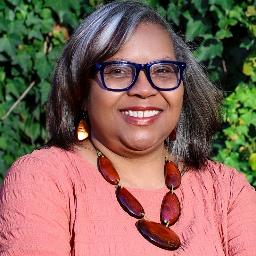
Francine Owens
LCSW
Licensed Clinical Social Worker - Anxiety and Depression
License and NPI on record
- Credentials
- LCSW
- License
- LCSW, Tennessee · No. 3193
- NPI
- 1093742710
- Experience
- 28 years
- Languages
- English
- State
- Tennessee
As supplied to BetterHelp. A license can be checked with the state board, and an NPI with the national NPI registry.
- CBT
- DBT
- ACT
About Francine
Francine Owens is a Licensed Clinical Social Worker (LCSW) practicing in Tennessee with 28 years of experience. She helps people manage stress, anxiety, trauma and abuse, bipolar disorder, and depression. Francine offers practical care aimed at reducing symptom-driven cycles and improving day-to-day functioning.
She uses clear, evidence-based approaches in sessions. Cognitive Behavioral Therapy (CBT) and Dialectical Behavior Therapy (DBT) are part of her toolbox. Acceptance and Commitment Therapy (ACT) and Emotionally-Focused Therapy (EFT) are also used when they fit a person's goals.
Francine focuses on changing patterns that keep people stuck. She works on unhelpful thoughts, rigid behaviors, and skills for handling strong feelings. Sessions may include learning new coping skills, practicing alternatives to checking or avoiding, and looking at how relationships and roles affect mental health.
Her background includes a Master of Science in Social Work from the University of Tennessee (Memphis). Francine has spent decades in clinical roles and in independent practice. That experience informs how she plans and adjusts treatment over time.
Francine aims to make therapy practical and straightforward. She supports people dealing with caregiving stress, chronic illness, adoption and foster care concerns, grief after separation or divorce, and issues tied to aging or cancer. She also works with those facing guilt, shame, control struggles, and communication problems.
Sessions are conducted in English and she accepts international clients. Before booking, readers should confirm current session options and formats with the intake process. To begin, prospective clients complete a short matching questionnaire and schedule a first session.
Therapeutic approaches and online work
Francine uses Cognitive Behavioral Therapy (CBT) to help people identify and change unhelpful thoughts and behaviors. CBT often focuses on clear, practical exercises that reduce checking, avoidance, and rumination. Dialectical Behavior Therapy (DBT) provides skills for managing intense emotions and improving distress tolerance, useful when worry or overwhelm lead to impulsive or repetitive coping patterns.Finding the right approach is collaborative. Francine discusses goals and preferences with each person and tests different strategies to see what helps. The plan can shift as skills grow or problems change, and she will explain how each method might address specific struggles like anxiety or mood instability.
Confirm the exact session formats during intake since the biography does not list them. Online work can make it easier to fit sessions into a busy week, shorten travel time, and allow quick check-ins when needed. Some people prefer audio-only calls for lower bandwidth or video for face-to-face interaction; others find short, focused sessions helpful during a lunch break. Discussing practical needs during the initial matching questionnaire helps identify the best way to work together.
Areas of expertise
Primary focus
Additional focus areas
Therapeutic approaches
Experience
28+ years
Credentials
Tennessee
Languages
English
Frequently asked questions
What kinds of problems does she help with most often?
She focuses on stress, anxiety, trauma and abuse, bipolar disorder, and depression, along with related concerns such as caregiver stress, chronic illness, and grief linked to separation or divorce.
What therapy style does she use?
She uses practical, evidence-based methods including Cognitive Behavioral Therapy (CBT), Dialectical Behavior Therapy (DBT), Acceptance and Commitment Therapy (ACT), and Emotionally-Focused Therapy (EFT).
How much clinical experience does she have?
She brings 28 years of clinical experience, including long-term work in independent practice and prior clinical roles.
What are her credentials and where is she based?
She is a Licensed Clinical Social Worker (LCSW) licensed in Tennessee and practices from that state.
Does she provide sessions in other languages or to international clients?
Sessions are offered in English, and she accepts international clients.
What session formats are offered?
Confirm current session formats during the intake process before booking, as the biography does not list specific formats.
How are fees handled?
Cost varies with location and sessions use a subscription model that can be canceled at any time.
What do I do to get started?
Select the See online therapy options button, complete a short matching questionnaire, and schedule a first session.
Before you reach out
- Check that the state license on record covers the state you live in.
- If exposure and response prevention (ERP) or another method matters to you, ask whether and how this counselor uses it.
- You do not need to explain every thought or ritual at the start. One example is enough.
- A profile shows the topics a counselor lists; it is not a diagnosis or a promise of results.
If you feel unsafe right now, call or text 988, or call 911.