Counselor profile
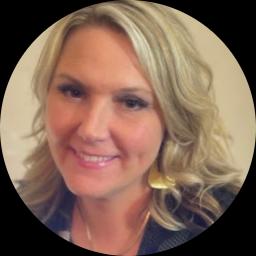
Heather Swopes
LCSW
LCSW - Depression and OCD concerns
License and NPI on record
- Credentials
- LCSW
- License
- LCSW, Arkansas · No. 2064-C
- NPI
- 1407887136
- Experience
- 23 years
- Languages
- English
- State
- Arkansas
As supplied to BetterHelp. A license can be checked with the state board, and an NPI with the national NPI registry.
- ERP and behavior focus
- Faith-informed options
- Practical coping skills
About Heather
Heather Swopes is an LCSW with 23 years of clinical experience based in Arkansas. She works with people facing depression, anxiety, stress, mood disorders, and substance use concerns. She also supports those managing panic, obsessive-compulsive patterns, and major life transitions.
She uses practical, down-to-earth methods and focuses on what works day to day. Sessions often address isolation, loneliness, and social anxiety with straightforward tools clients can use between meetings. She also helps people sort through control issues, abandonment themes, and questions of commitment.
Heather has experience helping people who are coping with chronic pain, illness, and disability, and she has worked with survivors of domestic violence. She includes faith-based perspectives when clients want that considered as part of care.
Her work attends to both mood and behavior. That can mean talking through triggers for impulsivity or using stepwise techniques to reduce panic and obsessive-compulsive responses. Her aim is to make skills practical and usable in real situations.
People who choose her often want clear, actionable steps and a collaborative approach. She explains options, suggests practices to try between sessions, and revisits progress regularly. To begin, clients complete a short matching questionnaire and schedule a first session through the online booking flow.
How Heather integrates approaches for online work
Heather uses evidence-based techniques in straightforward ways. Cognitive behavioral approaches focus on identifying unhelpful thinking and testing those thoughts in everyday situations, which is useful for anxiety and depression. Exposure and response strategies aim to reduce avoidance and ritual behaviors by gradually facing triggers without performing compulsions, which helps with obsessive-compulsive patterns.Finding the right approach is part of the work. Heather treats therapy as a collaboration and will discuss goals, preferences, and what has or hasn’t helped before choosing methods together. Sessions are adjusted over time based on progress and client feedback.
Practical benefits of online sessions include easier scheduling and fitting meetings around work or family obligations. Online work can make it simpler to keep short weekly check-ins and to practice skills between sessions without long travel. Confirm the current session formats before booking to know exactly which options are available.
Areas of expertise
Primary focus
Additional focus areas
Experience
23+ years
Credentials
Arkansas
Languages
English
Frequently asked questions
What concerns does she address most often?
She works with depression, anxiety, stress, mood disorders, and substance use concerns. Her practice also focuses on panic, obsessions, compulsions, and life transitions.
What is her therapeutic style like?
Her style is practical and collaborative. She offers clear steps and exercises clients can try between sessions.
How long has she been practicing?
She has 23 years of clinical experience working with a range of mental health concerns.
What are her credentials and where is she located?
She holds an LCSW credential and practices in Arkansas.
Which languages are supported in sessions?
Sessions are offered in English.
Can people outside the United States work with her?
She does not accept international clients at this time.
How are sessions arranged and paid for?
Cost varies with location and sessions use a subscription that can be canceled at any time.
How do I start a first session?
Select the See online therapy options button, complete a short matching questionnaire, and schedule your first session.
Before you reach out
- Check that the state license on record covers the state you live in.
- If exposure and response prevention (ERP) or another method matters to you, ask whether and how this counselor uses it.
- You do not need to explain every thought or ritual at the start. One example is enough.
- A profile shows the topics a counselor lists; it is not a diagnosis or a promise of results.
If you feel unsafe right now, call or text 988, or call 911.