Counselor profile
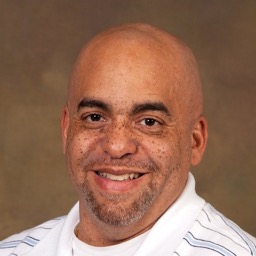
James Slaton
LCSW
Licensed Clinical Social Worker - anxiety and stress
License and NPI on record
- Credentials
- LCSW
- License 1
- LCSW, Tennessee · No. 7016
- License 2
- LCSW, Kentucky · No. 4020
- NPI
- 1104212521
- Experience
- 11 years
- Languages
- English
- State
- Kentucky
As supplied to BetterHelp. A license can be checked with the state board, and an NPI with the national NPI registry.
- CBT techniques
- Client-centered work
- Emotion-focused methods
About James
James Slaton is a Licensed Clinical Social Worker (LCSW) with 11 years of experience based in Kentucky. He lists stress, anxiety, trauma and abuse, depression, addictions, and relationship concerns among the issues he helps people address. He began providing mental health counseling in 2012 and has worked in settings such as a state mental hospital, a community mental health crisis unit, and child protective services.
His approach is straightforward and solution focused. He uses Reality Therapy principles alongside other methods to help people find practical steps forward. Sessions are aimed at helping people become more aware of what they want and how to reach it, with the therapist and client learning together about what works.
James draws on a mix of Client-Centered Therapy, Cognitive Behavioral Therapy (CBT), Dialectical Behavior Therapy (DBT), Emotionally-Focused Therapy (EFT), and Existential Therapy when appropriate. He frames these tools as options to try rather than fixed rules, and he adapts them depending on the concern and the person’s goals. Examples of issues he has addressed include trauma effects, substance use concerns, and mood problems.
He emphasizes direct communication and avoids judgment or sympathy used as a substitute for problem-solving. That means sessions tend to be practical, focused on steps and skills to manage symptoms and rebuild routines. He also works with topics like parenting strain, caregiver stress, first responder issues, ADHD, and aging-related concerns.
People can expect a candid, action-oriented style that looks for measurable change. He asks for effort and persistence from clients, and he frames progress as a collaborative process of conditioning better habits and responses.
How therapeutic approaches translate to online sessions
James often uses Cognitive Behavioral Therapy and Client-Centered Therapy in session. CBT focuses on identifying unhelpful thoughts and testing them with specific behavioral experiments, which can help with anxiety, checking, and mood patterns. Client-Centered Therapy emphasizes listening and responding to the person’s experience, helping them organize goals and decide which steps feel doable.Finding the best approach is a collaborative process. The therapist will talk with the client about goals and preferences, then recommend techniques to try. Adjustments are made over time based on what is actually helping in weekly work together.
Session formats are not specified in the biography, so confirm current online options before booking. In general, online work can make it easier to fit sessions into a busy day, allow shorter check-ins when needed, and reduce travel time. Therapists and licensed professionals often use online sessions to practice exposure exercises, homework reviews, and skill coaching in ways that map onto everyday life rather than clinic-only tasks.
Areas of expertise
Primary focus
Also works with
Additional focus areas
Therapeutic approaches
Experience
11+ years
Credentials
Tennessee, Kentucky
Languages
English
Frequently asked questions
What kinds of problems does he help with?
He works with stress, anxiety, trauma and abuse, depression, addictions, relationship and family concerns, and related issues like ADHD and caregiver stress.
What is his therapy style like?
He uses a straightforward, solution-focused style that leans on practical skills and steps rather than long abstract talk.
How much clinical experience does he have?
He has been providing counseling since 2012 and holds 11 years of professional experience as an LCSW.
Where is he based and what are his credentials?
He is based in Kentucky and holds the LCSW credential, with licensure noted as KY LCSW and TN LCSW.
Which languages are sessions offered in?
Sessions are offered in English.
Does he work with international clients?
He accepts international clients, so people outside the U.S. can inquire about working together.
How are sessions priced?
Cost varies with location and sessions use a subscription model that can be canceled at any time.
How do I begin a first session?
Select the See online therapy options button, complete the short matching questionnaire, and schedule a first session.
Before you reach out
- Check that the state license on record covers the state you live in.
- If exposure and response prevention (ERP) or another method matters to you, ask whether and how this counselor uses it.
- You do not need to explain every thought or ritual at the start. One example is enough.
- A profile shows the topics a counselor lists; it is not a diagnosis or a promise of results.
If you feel unsafe right now, call or text 988, or call 911.