Counselor profile
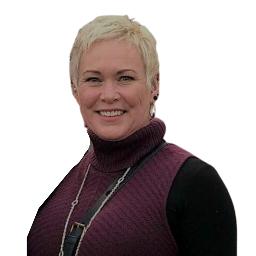
Jennifer Lee Sylvester
LCSW
Licensed Clinical Social Worker - OCD and hoarding related concerns
License and NPI on record
- Credentials
- LCSW
- License
- LCSW, Texas · No. 16544
- NPI
- 1154550242
- Experience
- 36 years
- Languages
- English
- State
- Texas
As supplied to BetterHelp. A license can be checked with the state board, and an NPI with the national NPI registry.
- Client-Centered Therapy
- Cognitive Behavioral Therapy
- Mindfulness methods
About Jennifer
Jennifer Lee Sylvester is a Licensed Clinical Social Worker (LCSW) in Texas with 36 years of experience. She helps people who are struggling with stress, anxiety, depression, trauma and abuse, relationship and family concerns, and related challenges. Her approach is steady and straightforward, aimed at helping people manage intense feelings and everyday pressures.
She uses client-centered work to listen first and help people set practical goals. Cognitive Behavioral Therapy (CBT) techniques are used to notice thinking patterns and try different behaviors. Emotionally-Focused Therapy (EFT) elements can be brought in to look at how emotions affect close relationships.
Jennifer also draws on mindfulness practices to help slow racing thoughts and on psychodynamic ideas to look at repetitive patterns that cause pain. Sessions focus on clear steps, short-term strategies, and understanding deeper patterns when that is useful. The style is interactive - she talks things through with people and adjusts the plan as needs change.
She has substantial experience with a wide range of concerns, including grief, parenting stress, addictions, ADHD, bipolar mood issues, and intimacy-related matters. She also addresses attachment and abandonment themes, blended family challenges, codependency, and coping after disaster.
Sessions are conducted in English and are offered from her Texas practice. Prospective clients are asked to confirm current session formats before booking and to use the site questionnaire to schedule an initial appointment.
How her approaches translate to online work
Jennifer uses Client-Centered Therapy to start sessions by listening and identifying the most pressing concerns. This approach focuses on the person's goals and on making practical decisions together. Cognitive Behavioral Therapy (CBT) is used to spot unhelpful thoughts and try new behaviors; it suits worries, anxiety, and mood problems where change in thinking and action can help.She also brings in Emotionally-Focused Therapy ideas when emotions in relationships are central to the problem. That work looks at patterns between partners or family members and helps people notice and change interaction cycles. Together the approaches help with intrusive thoughts, checking behaviors, difficulties letting go, and related stresses by combining short-term steps with deeper reflection.
Finding the right mix of methods is part of the process. The therapist and client decide collaboratively which approaches to use based on needs, goals, and personal preferences. Sessions move at a practical pace and can shift focus as progress is made.
The biography does not list specific online session formats, so confirm current session options before booking. Online work can make it easier to fit sessions into everyday life, allow shorter check-ins when needed, and reduce travel time. Licensed professionals can use a range of techniques remotely, from brief behavioral experiments to guided mindfulness practice, to help manage symptoms and daily challenges.
Areas of expertise
Also works with
Additional focus areas
Therapeutic approaches
Experience
36+ years
Credentials
Texas
Languages
English
Frequently asked questions
What kinds of problems does she commonly address?
She works with stress, anxiety, depression, trauma and abuse, relationship and family concerns, grief, and a range of mood and behavior issues.
What is her therapeutic style like?
Her style is client-centered and interactive. She listens first, sets practical goals, and adapts the plan with you.
How much clinical experience does she have?
She has 36 years of experience as a Licensed Clinical Social Worker practicing in Texas.
What credentials and location are listed?
She is an LCSW licensed in Texas and provides services from Texas.
Which languages are supported for sessions?
Sessions are offered in English only.
Can people outside the United States work with her?
International clients are not currently accepted.
How are fees handled?
Cost varies with location and sessions use a subscription that can be canceled at any time.
How do I begin working with her?
Use the See online therapy options button, complete a short matching questionnaire, and schedule a first session.
Before you reach out
- Check that the state license on record covers the state you live in.
- If exposure and response prevention (ERP) or another method matters to you, ask whether and how this counselor uses it.
- You do not need to explain every thought or ritual at the start. One example is enough.
- A profile shows the topics a counselor lists; it is not a diagnosis or a promise of results.
If you feel unsafe right now, call or text 988, or call 911.