Counselor profile
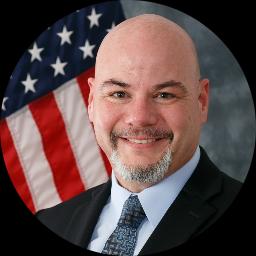
Dr. Justin Cole
LCSW, CSW
Dr. Justin Cole - LCSW, CSW; relationships and anxiety
License and NPI on record
- Credentials
- LCSW, CSW
- License
- LCSW, Colorado · No. CSW.00001426
- NPI
- 1588688667
- Experience
- 25 years
- Languages
- English
- State
- Colorado
As supplied to BetterHelp. A license can be checked with the state board, and an NPI with the national NPI registry.
- Cognitive Behavioral Therapy
- Acceptance and Commitment Therapy
- Attachment-Based Therapy
About Justin
Dr. Justin Cole is a licensed clinical social worker (LCSW) and CSW practicing in Colorado with 25 years of experience. He works with people facing stress, anxiety, relationship and family concerns, intimacy-related issues, and parenting challenges. He also addresses problems linked to attachment, abandonment, caregiver stress, chronic illness, body image, and related concerns.
He draws on straightforward, talk-and-skill focused methods. Sessions emphasize clear steps that clients can use between meetings. He uses approaches such as cognitive behavioral techniques and acceptance-based work to help people notice difficult thoughts and try new responses.
His background includes service as an Army social work officer. That experience shaped a practical style and an understanding of stressors tied to life transitions and caregiving roles. He aims to help people bring everyday coping into their routines.
In sessions he listens for patterns that keep problems going. Then he helps people test small changes that reduce distress and improve relationships. People who worry about checking, intrusive thoughts, or letting go of possessions may find this focus relevant.
Dr. Cole works collaboratively on goals and homework tasks. He combines client-centered attention with techniques from CBT, ACT, and DBT to build skills for handling emotions, improving communication, and managing worry. The result is a clear set of steps to practice between sessions.
How therapeutic approaches translate to online sessions
Acceptance and Commitment Therapy (ACT) helps people notice painful thoughts and choose actions that match their values. It is useful for worry, repeated thoughts, and problems that cause avoidance. Cognitive Behavioral Therapy (CBT) focuses on identifying unhelpful thinking and testing new behaviors. It is practical for anxiety, checking, and intrusive thoughts. Attachment-Based Therapy looks at how past relationships affect current patterns and can help with intimacy and communication struggles.Finding the right approach is part of the work. The therapist will discuss your concerns and goals and recommend which methods to try first. That choice is made together and adjusted based on what helps you make small, measurable changes.
Confirm the current session options before booking since formats were not specified in the biography. Online sessions can make it easier to fit therapy into a busy life by removing travel time and allowing meetings during breaks or from quieter locations. Some formats use less bandwidth and work better for shorter check-ins, while other setups support longer skills practice and role-play. Check the platform details when scheduling so you know which session type will be used.
Areas of expertise
Primary focus
Additional focus areas
Therapeutic approaches
Experience
25+ years
Credentials
Colorado
Languages
English
Frequently asked questions
What concerns does he commonly address?
He helps people with stress, anxiety, relationship and family issues, intimacy-related concerns, and parenting challenges. Additional focus areas include attachment problems, abandonment, caregiver stress, chronic illness, body image, and related issues.
What is his general therapeutic approach?
He combines client-centered conversation with practical techniques from CBT, ACT, and DBT. Sessions focus on skills and small experiments to change unhelpful patterns.
How much experience does he have?
He has 25 years of professional experience, including work as an Army social work officer. That background informs a pragmatic, skills-focused style.
What credentials and location are listed?
He is listed as LCSW and CSW, licensed in Colorado. His practice is based in Colorado.
Which languages are supported?
Sessions are offered in English only.
Can international clients work with him?
He does not accept international clients at this time.
How does cost and payment work?
Cost varies with location and sessions use a subscription model that can be canceled at any time. Exact fees depend on the chosen subscription plan.
How do I get started?
Click the See online therapy options button, complete the short matching questionnaire, and schedule your first session. That steps starts the intake and scheduling process.
Before you reach out
- Check that the state license on record covers the state you live in.
- If exposure and response prevention (ERP) or another method matters to you, ask whether and how this counselor uses it.
- You do not need to explain every thought or ritual at the start. One example is enough.
- A profile shows the topics a counselor lists; it is not a diagnosis or a promise of results.
If you feel unsafe right now, call or text 988, or call 911.