Counselor profile
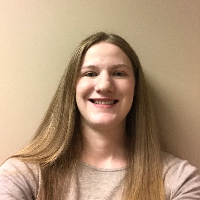
Lindsay DeMarlie
LCSW, LISW
Licensed clinical social worker - OCD and hoarding focus
License and NPI on record
- Credentials
- LCSW, LISW
- License 1
- LCSW, Illinois · No. 149018275
- License 2
- LISW, Iowa · No. 008227
- NPI
- 1073024600
- Experience
- 10 years
- Languages
- English
- State
- Iowa
As supplied to BetterHelp. A license can be checked with the state board, and an NPI with the national NPI registry.
- CBT techniques
- ACT and mindfulness
- Trauma informed care
About Lindsay
Lindsay DeMarlie is a Licensed Clinical Social Worker (LCSW) in Illinois and a Licensed Independent Social Worker (LISW) in Iowa with 10 years of experience. She focuses on concerns such as stress, anxiety, depression, addiction, trauma and abuse, self-esteem, and issues related to parenting and relationships. Lindsay also lists work with ADHD, bipolar concerns, LGBT matters, and hoarding-related struggles among her focus areas.
She favors straightforward, person-focused sessions where clients set the goals. Lindsay draws on cognitive behavioral methods and mindfulness to address intrusive thoughts, checking, and rituals. She also uses Acceptance and Commitment Therapy and Dialectical Behavior Therapy strategies to help people change how they respond to difficult feelings and urges.
Her background includes practice in community mental health settings. That experience means she is used to helping people manage daily stressors alongside longer-term concerns. She has worked with trauma stemming from childhood abuse and adult sexual or domestic violence, and she applies trauma-informed ideas in her work.
Sessions tend to center on clear skills and short experiments between meetings. Clients learn ways to test fears, reduce repetitive behaviors, and notice unhelpful thinking patterns. Lindsay supports people as they practice new responses to intrusive thoughts and urges.
She uses a client-centered stance that is nonjudgmental and practical. People can expect collaborative planning, concrete tools drawn from CBT and ACT, and attention to how symptoms affect everyday life. To begin, clients follow the site process to match and schedule a first session.
How her approaches translate to online sessions
Acceptance and Commitment Therapy (ACT) helps people notice thoughts and feelings without acting on them, then choose actions that reflect personal values. It is useful for anxiety, compulsive rituals, and struggles around avoidance. Cognitive Behavioral Therapy (CBT) focuses on identifying unhelpful thinking patterns and testing them with small behavioral experiments. CBT techniques often target checking behaviors, intrusive thoughts, and compulsive routines. Mindfulness-based work trains present-moment awareness and steady attention, which can reduce reactivity to intrusive thoughts and urges.Finding the right mix of approaches is part of the work. The therapist and client decide together which methods to use based on the person’s goals, day-to-day demands, and preferences. Sessions include planning practical experiments and practicing skills between meetings so progress shows up in everyday life.
This listing does not specify which session formats are offered, so confirm the current options before booking. Online sessions can make it easier to fit therapy around work, family, or school by eliminating travel time. A shorter phone check-in can be useful on busy days, while video meetings allow guided practice of exposures and behavioral experiments. Licensed professionals can help adapt exercises so they fit into a person’s routine and the setting where they participate.
Areas of expertise
Primary focus
Also works with
Additional focus areas
Therapeutic approaches
Experience
10+ years
Credentials
Illinois, Iowa
Languages
English
Frequently asked questions
What kinds of concerns does she address?
Lindsay works with stress, anxiety, depression, addictions, trauma and abuse, self-esteem, relationship and parenting issues, ADHD, bipolar concerns, and related areas such as body image and codependency.
What therapeutic approaches does she use?
She uses Cognitive Behavioral Therapy (CBT), Acceptance and Commitment Therapy (ACT), Dialectical Behavior Therapy (DBT), Client-Centered Therapy, and mindfulness-based techniques.
How much experience does she have?
She has ten years of clinical experience working in community mental health and related settings.
What credentials and location are listed?
She holds LCSW in Illinois and LISW in Iowa and practices from Iowa for purposes of this listing.
Are sessions available in other languages or internationally?
Sessions are offered in English, and she accepts international clients.
What formats are used for sessions?
This profile does not specify session formats; please confirm the current session options before booking.
How is cost handled?
Cost varies with location, and sessions use a subscription that can be canceled at any time.
How do I begin a first session?
Click the See online therapy options button, complete a short matching questionnaire, and schedule your first session.
Before you reach out
- Check that the state license on record covers the state you live in.
- If exposure and response prevention (ERP) or another method matters to you, ask whether and how this counselor uses it.
- You do not need to explain every thought or ritual at the start. One example is enough.
- A profile shows the topics a counselor lists; it is not a diagnosis or a promise of results.
If you feel unsafe right now, call or text 988, or call 911.