Counselor profile
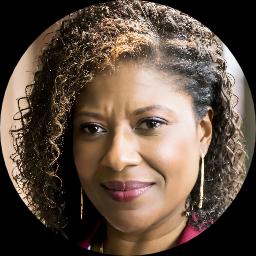
Martha Quattlebaum
LCSW
LCSW - anxiety and relationship concerns
License and NPI on record
- Credentials
- LCSW
- License
- LCSW, North Carolina · No. C015041
- NPI
- 1255819645
- Experience
- 7 years
- Languages
- English
- State
- North Carolina
As supplied to BetterHelp. A license can be checked with the state board, and an NPI with the national NPI registry.
- Stress and anxiety
- Relationship strain
- Parenting support
About Martha
Martha Quattlebaum is a Licensed Clinical Social Worker (LCSW) in North Carolina with seven years of clinical experience. She works with adults who feel anxious, emotionally stuck, or unsure about what comes next, and she lists concerns such as stress, anxiety, depression, bipolar disorder, relationships, and parenting.
Her sessions are practical and direct. She helps people identify the patterns that keep them feeling overwhelmed and develops concrete tools for coping and emotional regulation. Conversations focus on boundaries, communication, and clearer decision making rather than on vague reassurance.
Martha uses evidence-based therapeutic techniques to guide the work. She draws on Cognitive Behavioral Therapy and mindfulness-informed approaches, and she incorporates skills from Dialectical Behavior Therapy when helpful. Those methods are used to address thought patterns, coping strategies, and day-to-day functioning.
She also brings experience with issues tied to attachment, abandonment, caregiver stress, chronic illness, addiction, and major life changes like divorce or blending families. Sessions may include skill practice, problem solving, and checking how new strategies fit into everyday routines.
Martha aims to help people understand recurring behaviors and build practical habits that reduce distress. Her style is collaborative and straightforward, focusing on what can be changed now. To begin, clients complete a short matching questionnaire and schedule an initial session through the online therapy options button.
How therapeutic approaches translate to online sessions
Evidence-based techniques like Cognitive Behavioral Therapy focus on noticing and testing unhelpful thoughts. In practice this means identifying specific thoughts that increase anxiety and working on concrete alternative responses to reduce checking or rumination.Mindfulness-informed methods teach simple attention and grounding skills to manage intense urges and intrusive thoughts. These are short exercises a person can practice between sessions to lower reactivity and build tolerance for discomfort.
Dialectical Behavior Therapy-informed skills offer practical tools for emotional regulation and interpersonal effectiveness. Skills training can help when strong emotions lead to impulsive behaviors or when communication patterns increase relationship strain.
Choosing the right approach is a collaborative process. The therapist will review your goals and current struggles, then suggest techniques to try and adapt based on what helps most. You and the therapist check progress together and adjust methods over time.
Confirm the available session formats before booking, since specific formats are not listed here. Online sessions can make it easier to fit therapy into work or caregiving schedules and reduce travel time. They also allow practice of skills in real-life settings, with follow-up between meetings when useful.
Areas of expertise
Primary focus
Additional focus areas
Experience
7+ years
Credentials
North Carolina
Languages
English
Frequently asked questions
What kinds of concerns does she help with?
She works with adults around stress, anxiety, depression, bipolar mood concerns, relationship strain, and parenting challenges. Additional focus areas include attachment wounds, abandonment, caregiver stress, addiction, and chronic illness issues.
What is her therapeutic approach and style?
Her approach is practical and collaborative. She uses evidence-based techniques to teach coping skills, improve communication, and change unhelpful thinking patterns.
How much clinical experience does she have?
She has seven years of experience as a clinician working with adults on mood, anxiety, relationship, and life-transition concerns.
What are her credentials and location?
She is a Licensed Clinical Social Worker (LCSW) licensed in North Carolina and provides services from that state.
Which languages are sessions offered in?
Sessions are offered in English only.
Does she work with clients outside the United States?
International clients are not currently accepted.
How are fees handled?
Cost varies with location; sessions use a subscription model that can be canceled at any time.
How do I begin a first session?
Start by selecting the See online therapy options button, complete the short matching questionnaire, and schedule your first session from there.
Before you reach out
- Check that the state license on record covers the state you live in.
- If exposure and response prevention (ERP) or another method matters to you, ask whether and how this counselor uses it.
- You do not need to explain every thought or ritual at the start. One example is enough.
- A profile shows the topics a counselor lists; it is not a diagnosis or a promise of results.
If you feel unsafe right now, call or text 988, or call 911.