Counselor profile
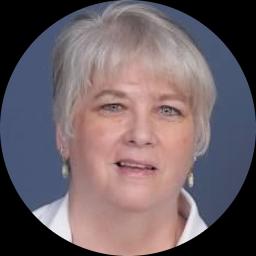
Mary Widseth
LPC
LPC in Minnesota - relationship and hoarding focus
License and NPI on record
- Credentials
- LPC
- License
- LPC, Minnesota · No. 2100
- NPI
- 1669021895
- Experience
- 7 years
- Languages
- English
- State
- Minnesota
As supplied to BetterHelp. A license can be checked with the state board, and an NPI with the national NPI registry.
- CBT
- EMDR
- DBT
About Mary
Mary Widseth is a Licensed Professional Counselor (LPC) in Minnesota with seven years of experience. She says she helps adults understand themselves and the people around them, and lists concerns such as anxiety, depression, trauma, relationship and family issues, ADHD, and hoarding among her focus areas.
She holds a master’s degree in Community Psychology and Rehabilitation Counseling from Saint Cloud State University and a bachelor’s degree in Vocational Rehabilitation from the University of Wisconsin - Stout. She also completed a certificate in Autism. Her background includes work supporting adults with cognitive, communication, or physical challenges in employment settings and providing on-the-job training.
Earlier work included two years of in-home therapy for children aged 7 to 18 and their families, and two years as a mental health therapist in an office setting with adults and children. She has worked with people across diverse backgrounds, including transgender and bisexual clients, and with those facing addictions or body-image concerns.
Practically, she uses a mix of approaches such as Client-Centered Therapy, Cognitive Behavioral Therapy (CBT), Dialectical Behavior Therapy (DBT), Emotionally-Focused Therapy (EFT), and Eye Movement Desensitization and Reprocessing (EMDR). She also adapts tools for communication differences, using picture books, rebus boards, and sign language when helpful.
Mary draws on personal experience with disability to think creatively about barriers and solutions. She emphasizes clear communication between client and others, and focuses on concrete skills for emotion regulation, behavior, and improving daily functioning.
How therapeutic methods translate to online sessions
Client-Centered Therapy focuses on listening and reflecting so the client feels understood; it helps with relationship and self-understanding issues by centering the client’s own goals. Cognitive Behavioral Therapy (CBT) breaks problems into thoughts, feelings, and behaviors and uses practical exercises to reduce anxiety and compulsive behaviors. Eye Movement Desensitization and Reprocessing (EMDR) is used to process distressing memories and reduce their emotional impact through guided bilateral stimulation and focused recall.Choosing the right approach is part of the work. The therapist will discuss goals, try methods that fit those goals, and adjust the plan with the client. That collaborative process helps decide whether CBT, EMDR, Client-Centered techniques, or a blend is most useful for specific struggles like intrusive thoughts, avoidance, or difficulty letting things go.
Session formats are not specified in the provided biography, so confirm current options before booking. Online work can make it easier to fit appointments into busy days, reduce travel time, and allow shorter check-ins when needed. Some people find remote sessions helpful for practicing exposure tasks in their own environment, doing homework between sessions, or scheduling appointments around work and caregiving responsibilities.
Areas of expertise
Primary focus
Also works with
Additional focus areas
Therapeutic approaches
Experience
7+ years
Credentials
Minnesota
Languages
English
Frequently asked questions
What concerns does she commonly address?
She lists anxiety, depression, trauma and abuse, relationship and family problems, ADHD, hoarding, grief, and related issues among her focus areas.
What therapeutic approaches does she use?
She uses Client-Centered Therapy along with Cognitive Behavioral Therapy (CBT), Dialectical Behavior Therapy (DBT), Emotionally-Focused Therapy (EFT), and Eye Movement Desensitization and Reprocessing (EMDR).
How much clinical experience does she have?
She has seven years of professional experience, including in-home work with children and several years in office-based mental health therapy with adults and children.
What are her credentials and where is she based?
She is a Licensed Professional Counselor (LPC) licensed in Minnesota and practices from that state.
Which languages are supported for sessions?
Sessions are offered in English.
Can people outside the US work with her?
International clients are not accepted at this time.
How are sessions paid for?
Cost varies with location and sessions are provided via a subscription that can be canceled at any time.
How does someone begin working with her?
Start by selecting the See online therapy options button, complete the short matching questionnaire, and schedule the first session.
Before you reach out
- Check that the state license on record covers the state you live in.
- If exposure and response prevention (ERP) or another method matters to you, ask whether and how this counselor uses it.
- You do not need to explain every thought or ritual at the start. One example is enough.
- A profile shows the topics a counselor lists; it is not a diagnosis or a promise of results.
If you feel unsafe right now, call or text 988, or call 911.