Counselor profile
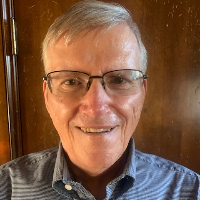
Myron Dianiska
LPC, LPA
Licensed Professional Counselor - OCD and hoarding focus
License and NPI on record
- Credentials
- LPC, LPA
- License 1
- LPC, Texas · No. 2278
- License 2
- LPA, Texas · No. 10611
- License 3
- LPC, New Jersey · No. 37PC00789000
- License 4
- LPCC, New Mexico · No. CCMH0218711
- NPI
- 1508443409
- Experience
- 50 years
- Languages
- English
- State
- Texas
As supplied to BetterHelp. A license can be checked with the state board, and an NPI with the national NPI registry.
- LPC LPA credentials
- Cognitive Behavioral Therapy
- Mindfulness and ACT
About Myron
Myron Dianiska is a Licensed Professional Counselor (LPC) and Licensed Psychological Associate (LPA) with fifty years of clinical experience practicing in Texas. He works with people concerned about stress, anxiety, depression, addictions, and obsessions, compulsions, and OCD. He also addresses self-esteem, career worries, relationship strain, and parenting stresses.
His sessions focus on practical steps. He listens, helps identify patterns that keep problems active, and offers hands-on strategies to change those patterns. He uses methods that include cognitive behavioral work, mindfulness, and acceptance-based ideas to help reduce unhelpful thoughts and behaviors.
Myron draws on long experience with addiction issues, panic and phobias, and trauma-related problems. He also consults on fatherhood issues, workplace stress, and the concerns many young adults face. He keeps sessions straightforward and task-oriented when that helps people get unstuck.
His background spans community and clinic settings across several states, giving him a wide view of common life challenges. He combines client-centered conversation with structured exercises when appropriate. That mix is intended to make progress feel concrete rather than vague.
People who come with intrusive thoughts, checking behaviors, or trouble letting go of possessions will find an approach that emphasizes behavioral steps and mindful awareness. He encourages clear goals and regular review of progress. The focus is on techniques that can be practiced between sessions to build momentum.
Myron offers work grounded in established methods such as Cognitive Behavioral Therapy and Acceptance and Commitment Therapy, along with mindfulness practice. He aims to help people manage symptoms, build practical coping skills, and move toward clearer daily routines.
How his approaches translate to online work
Acceptance and Commitment Therapy (ACT) is used to help people notice painful thoughts without getting pulled into them and to clarify personal values that guide action. It can help when intrusive thoughts or rigid rules are causing distress.Cognitive Behavioral Therapy (CBT) focuses on identifying unhelpful thought patterns and testing them with practical behavioral experiments. For obsessions, compulsions, and panic it often includes stepwise behavioral practice to reduce checking and avoidance.
Client-Centered elements keep the work grounded in the person’s own priorities, with the therapist listening and reflecting to clarify goals. Mindfulness practices are woven in to build present-moment awareness and reduce automatic reactivity.
Choosing the right approach is part of the work. The therapist collaborates with each person to pick methods that match their goals and preferences, and adjusts the plan as progress is reviewed.
Session formats are not specified in the biography, so confirm current options before booking. Online work can make it easier to fit therapy into a busy day, shorten travel time, and allow shorter check-ins when that suits a schedule. It can also let people use quieter surroundings or turn off video if that helps them focus. Licensed professionals can adapt exercises and homework for remote sessions so practical skills are still practiced between meetings.
Areas of expertise
Primary focus
Also works with
Additional focus areas
Therapeutic approaches
Experience
50+ years
Credentials
Texas, New Jersey, New Mexico
Languages
English
Frequently asked questions
What kinds of concerns does he help with most often?
He works with stress, anxiety, depression, addictions, obsessions and compulsions, and related problems such as panic, phobias, and workplace issues.
What is his therapeutic style like?
Sessions tend to be practical and task-focused, combining conversation with exercises from CBT, ACT, and mindfulness approaches.
How much experience does he have?
He brings fifty years of professional experience working in clinical and community settings across multiple states.
What credentials and region are listed?
He holds LPC and LPA credentials and practices in Texas.
Which languages are supported?
Sessions are offered in English.
Can people outside the United States work with him?
International clients are not currently accepted.
How are fees handled?
Costs vary with location and sessions use a subscription that can be canceled at any time.
What are the first steps to begin?
Select the See online therapy options button, complete a short matching questionnaire, and schedule a first session.
Before you reach out
- Check that the state license on record covers the state you live in.
- If exposure and response prevention (ERP) or another method matters to you, ask whether and how this counselor uses it.
- You do not need to explain every thought or ritual at the start. One example is enough.
- A profile shows the topics a counselor lists; it is not a diagnosis or a promise of results.
If you feel unsafe right now, call or text 988, or call 911.