Counselor profile
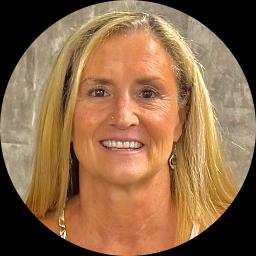
Nancy Tracy
LMFT
LMFT in California - Relationships and LGBT issues
License and NPI on record
- Credentials
- LMFT
- License
- LMFT, California · No. 38500
- NPI
- 1255417721
- Experience
- 26 years
- Languages
- English
- State
- California
As supplied to BetterHelp. A license can be checked with the state board, and an NPI with the national NPI registry.
- ACT and CBT
- Emotion regulation
- Relationship work
About Nancy
Nancy Tracy is a California LMFT (Licensed Marriage and Family Therapist) with 26 years of clinical experience. She focuses on helping people through relationship struggles, grief, self-esteem concerns, and life changes, and she lists LGBT issues among her primary areas of work.
She typically works with people who are managing adjustments in identity, partnerships, and roles. Her approach blends practical techniques and conversational therapy. Sessions aim to clarify what feels stuck and to build steps that return everyday functioning and direction.
Nancy draws from several evidence-informed approaches, including Acceptance and Commitment Therapy (ACT), Cognitive Behavioral Therapy (CBT), Dialectical Behavior Therapy (DBT), Client-Centered Therapy, and Emotionally-Focused Therapy (EFT). She uses these methods to address thinking patterns, emotional regulation, and relationship interactions in concrete ways.
In practice she helps people name specific patterns such as communication problems, control issues, codependency, and guilt or shame. She also works with concerns linked to adoption and foster care, aging and geriatric issues, body image, BDSM and kink culture, and first responder stress.
Nancy supports clients exploring gender dysphoria, HIV/AIDS related concerns, and those coping with divorce or separation. She explains options, practices skills together in sessions, and encourages small, testable changes between meetings.
How therapeutic approaches work in online sessions
Acceptance and Commitment Therapy (ACT) focuses on noticing thoughts and values, then choosing actions that align with what matters. It can help with repeated anxious thoughts, avoidance, and getting clearer about life priorities. Cognitive Behavioral Therapy (CBT) looks at links between thoughts, feelings, and behavior. It helps break cycles of checking, rumination, and unhelpful beliefs by using practical exercises and experiments.Finding the right approach is part of the work. The therapist will review a person’s goals, symptoms, and preferences and suggest which methods to try. Decisions about techniques happen together, and adjustments are made as the client learns what helps.
Session formats are not specified in the biography, so confirm current options before booking. Online therapy can make it easier to fit sessions into busy schedules, reduce travel time, and allow shorter check-ins when needed. It also lets people practice skills in day-to-day settings and bring real situations into conversations with the therapist.
Areas of expertise
Primary focus
Additional focus areas
Therapeutic approaches
Experience
26+ years
Credentials
California
Languages
English
Frequently asked questions
What concerns does she focus on?
She lists relationship issues, grief, self-esteem, LGBT concerns, and coping with life changes among her main areas.
What is her therapeutic approach or style?
She blends Acceptance and Commitment Therapy, CBT, DBT, Client-Centered Therapy, and EFT to address thoughts, emotions, and relationship patterns.
How long has she been practicing?
She has 26 years of clinical experience as a therapist.
Where is she licensed and based?
She is a California LMFT and practices in California.
What languages are sessions offered in?
Sessions are offered in English.
Does she work with international clients?
International clients are not currently accepted.
How are session costs handled?
Cost varies with location and sessions use a subscription model that can be canceled at any time.
How do I begin working with her?
Click the See online therapy options button, complete a short matching questionnaire, and schedule a first session.
Before you reach out
- Check that the state license on record covers the state you live in.
- If exposure and response prevention (ERP) or another method matters to you, ask whether and how this counselor uses it.
- You do not need to explain every thought or ritual at the start. One example is enough.
- A profile shows the topics a counselor lists; it is not a diagnosis or a promise of results.
If you feel unsafe right now, call or text 988, or call 911.