Counselor profile
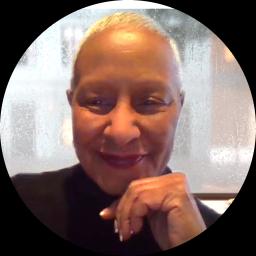
Nia Rose
LCMHC
Licensed counselor - addictions and relationships
License and NPI on record
- Credentials
- LCMHC
- License
- LCMHC, North Carolina · No. 14179
- NPI
- 1548568264
- Experience
- 30 years
- Languages
- English
- State
- North Carolina
As supplied to BetterHelp. A license can be checked with the state board, and an NPI with the national NPI registry.
- CBT
- ACT
- DBT skills
About Nia
Nia Rose is a Licensed Clinical Mental Health Counselor (LCMHC) practicing in North Carolina with more than 30 years of experience. She works with people facing addictions, trauma and abuse, intimacy-related concerns, low self esteem, depression, relationship and family stress, and ADHD. Sessions focus on practical steps and steady progress rather than quick fixes.
Her approach uses straightforward conversation and active listening. She draws on cognitive behavioral techniques to identify patterns that feed unhelpful thoughts and behaviors. She also uses acceptance and commitment ideas to help people notice painful thoughts without acting on them.
Nia often builds skills from dialectical behavior therapy when emotion regulation and interpersonal conflict are central concerns. Emotionally-focused ideas are used to look at attachment and closeness in relationships. Sessions tend to alternate between talking through immediate problems and practicing new ways of responding.
She frames therapy as collaborative problem solving. People can expect clear options, small experiments to try between sessions, and coaching on responses to triggers. Nia explains techniques in plain language and checks in about how a strategy is working.
Over three decades she has helped people untangle patterns linked to abandonment, codependency, substance use, eating and body image concerns, caregiver stress, and problems with control or commitment. Her focus is on steady, manageable change and on building useful skills that fit everyday life.
How therapeutic approaches are used in online sessions
ACT helps people notice painful thoughts and feelings and choose actions that align with their values. Online work can focus on small behavioral experiments and value-based goals that fit daily life.CBT breaks problems into thoughts, feelings, and behaviors. In remote sessions this often means identifying unhelpful thinking patterns, practicing thought records, and testing new behaviors between meetings.
DBT offers skills for managing intense emotions and improving communication. Therapists teach grounding, distress tolerance, and emotion regulation skills that can be practiced during the week and reviewed in sessions.
Choosing the right approach is part of the work together. The therapist will review needs, goals, and preferences with the client and recommend which methods to try first. They will check progress and adapt methods if something is not helping.
Confirm the exact session formats before booking since the biography does not list specific options. Online sessions can make it easier to fit therapy into a busy life - for example, shorter check-ins during a break, avoiding travel time, or using audio-only when bandwidth is limited. These practical benefits help people practice skills in their real routines without promising a particular service.
Areas of expertise
Primary focus
Also works with
Additional focus areas
Therapeutic approaches
Experience
30+ years
Credentials
North Carolina
Languages
English
Frequently asked questions
What kinds of concerns does she help with most often?
She regularly works with addictions, trauma and abuse, intimacy-related issues, low self esteem, depression, relationship and family stress, and ADHD. Additional focuses include codependency, caregiver stress, body image, and substance use problems.
What therapeutic approach does she use?
Her work draws on cognitive behavioral therapy (CBT), acceptance and commitment therapy (ACT), dialectical behavior therapy (DBT), client-centered methods, and emotionally-focused therapy (EFT). She blends these to meet immediate problems and longer-term goals.
How much experience does she have?
She has over 30 years of professional experience as a Licensed Clinical Mental Health Counselor. That background informs how she explains techniques and structures sessions.
What are her credentials and where is she based?
She holds the LCMHC credential and practices in North Carolina. Sessions follow the practice standards for that license.
Which languages are supported?
Sessions are offered in English.
Does she see international clients?
She does not accept international clients at this time.
How much do sessions cost?
Cost varies with location and uses a subscription model that can be canceled at any time. Confirm current pricing during the sign-up process.
How do I begin working with her?
Select the See online therapy options button, complete a short matching questionnaire, and schedule your first session. That starts the intake and planning conversation.
Before you reach out
- Check that the state license on record covers the state you live in.
- If exposure and response prevention (ERP) or another method matters to you, ask whether and how this counselor uses it.
- You do not need to explain every thought or ritual at the start. One example is enough.
- A profile shows the topics a counselor lists; it is not a diagnosis or a promise of results.
If you feel unsafe right now, call or text 988, or call 911.