Counselor profile
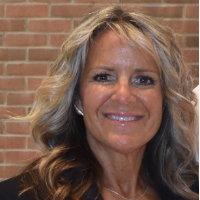
Patricia Foyder-DeVoe
LCSW
Licensed Clinical Social Worker - Anxiety and Relationship Issues
License and NPI on record
- Credentials
- LCSW
- License
- LCSW, New York · No. 075444
- NPI
- 1548335789
- Experience
- 25 years
- Languages
- English, Spanish
- State
- New York
As supplied to BetterHelp. A license can be checked with the state board, and an NPI with the national NPI registry.
- CBT techniques
- DBT skills
- Psychodynamic work
About Patricia
Patricia Foyder-DeVoe is a Licensed Clinical Social Worker (LCSW) in New York with 25 years of experience. She helps people with anxiety, stress, relationship struggles, mood concerns, and a range of life changes including grief and trauma. She also works with issues related to eating, parenting, addiction, and attention differences. Patricia speaks English and Spanish.
She trained at Fordham University and began her career in community mental health before moving into independent practice. Early roles included supervising psychotherapist work in clinic settings, which shaped her familiarity with a wide range of presenting problems. Over the years she has supported people facing chronic illness, caregiver stress, codependency, and communication problems.
Patricia blends psychodynamic ideas with practical methods. She draws on Cognitive Behavioral Therapy and Dialectical Behavior Therapy skills alongside Client-Centered and Emotionally-Focused approaches. Sessions often focus on identifying what someone wants to change and on building concrete tools for day-to-day coping.
In therapy she pays attention to patterns that repeat across relationships, such as attachment and abandonment issues. She also addresses control struggles, body image, and intimacy-related concerns. Meetings typically work toward clearer goals and manageable steps rather than abstract theory.
People who choose her can expect straightforward conversation about current problems and past influences on them. The work aims to reduce overwhelm, strengthen problem-solving, and develop skills for handling intrusive thoughts, repetitive behaviors, or difficulty letting go. She does not accept international clients.
How her approaches translate to online work
Patricia combines Client-Centered Therapy with Cognitive Behavioral Therapy (CBT) and Dialectical Behavior Therapy (DBT) techniques. Client-Centered work focuses on listening and reflecting so people can describe what matters most and set goals. CBT looks at thought and behavior patterns to build practical coping strategies for anxiety, intrusive thoughts, and repetitive actions. DBT offers skills for emotional regulation and distress tolerance that help when worry or urges feel overwhelming.Finding the right mix of methods is part of the process. Patricia collaborates with each person to decide which approaches to try first, based on their goals and what has or hasn’t helped before. She adjusts methods as progress and needs become clearer so the work stays focused and useful.
The practical benefits of online sessions include easier fitting of meetings into busy days and fewer disruptions from travel. Online work can make it simpler to practice CBT experiments between sessions and to check in briefly when a shorter contact helps keep momentum. Confirm current session formats before booking, since the biography does not list specific supported formats.
Areas of expertise
Primary focus
Also works with
Additional focus areas
Therapeutic approaches
Experience
25+ years
Credentials
New York
Languages
English, Spanish
Frequently asked questions
What kinds of problems does she address?
She helps people with stress, anxiety, depression, relationship and intimacy concerns, grief, trauma, eating issues, addiction, and parenting challenges.
How would you describe her therapeutic approach?
Her approach mixes psychodynamic ideas with practical methods. She uses Client-Centered techniques plus CBT and DBT skills to build coping tools.
How much clinical experience does she have?
She has 25 years of experience working in community mental health and independent practice, including supervisory roles early in her career.
What are her credentials and where is she based?
She is a Licensed Clinical Social Worker (LCSW) licensed in New York and works from that location.
Which languages are supported during sessions?
Sessions are offered in English and Spanish.
Can people from other countries work with her?
She does not accept international clients at this time.
What formats are used for sessions?
Please confirm current session options before booking, as the biography does not list specific session formats.
How are fees handled and how do I start?
Cost varies with location and sessions use a subscription that can be canceled at any time. To begin, use the See online therapy options button, complete a short matching questionnaire, and schedule a first session.
Before you reach out
- Check that the state license on record covers the state you live in.
- If exposure and response prevention (ERP) or another method matters to you, ask whether and how this counselor uses it.
- You do not need to explain every thought or ritual at the start. One example is enough.
- A profile shows the topics a counselor lists; it is not a diagnosis or a promise of results.
If you feel unsafe right now, call or text 988, or call 911.