Counselor profile
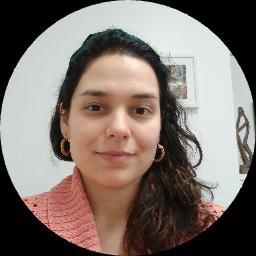
Rachel Khan-McCroy
LCSW
LCSW - trauma and grief focus
License and NPI on record
- Credentials
- LCSW
- License 1
- LCSW, New York · No. 085913
- License 2
- LCSW, New Jersey · No. 44SC05906600
- NPI
- 1871138792
- Experience
- 11 years
- Languages
- English
- State
- New Jersey
As supplied to BetterHelp. A license can be checked with the state board, and an NPI with the national NPI registry.
- CBT techniques
- DBT skills
- Mindfulness practice
About Rachel
Rachel Khan-McCroy is a Licensed Clinical Social Worker (LCSW) in New Jersey with 11 years of experience helping people with trauma, grief, low self-esteem, depression, and coping with life changes. She frames the work around what each person brings and focuses on practical skills and clear steps. Rachel uses methods such as client-centered therapy, cognitive behavioral tools, dialectical behavior strategies, Gottman-informed techniques, and mindfulness practices.
She emphasizes collaboration. Sessions focus on identifying strengths and building coping skills that fit daily life. Rachel listens for patterns that keep problems repeating and offers straightforward behavioral tools to interrupt those patterns. She describes the client as the expert on their story and works alongside them to test what helps.
Her background includes work with people affected by incarceration, veterans, HIV/AIDS, substance use, palliative and end-of-life care, and members of the LGBTQ community. She has supported people through PTSD, complex grief, depression, anxiety, bipolar disorder, postpartum mood concerns, disordered eating, and addiction. That range informs how she adapts interventions for different challenges.
In session Rachel uses a mix of techniques. Cognitive behavioral strategies help identify and shift unhelpful thoughts and behaviors. DBT skills offer concrete ways to manage intense emotion. Mindfulness exercises are used to increase present-moment awareness and reduce reactivity.
People looking to start are asked to complete a short matching questionnaire and schedule a first session. The service uses a subscription model that can be canceled at any time, and cost varies by location. International clients are accepted, and sessions are offered in English.
How her approaches translate to online sessions
Rachel uses client-centered therapy, which focuses on listening and responding to what the client says is most important. That approach helps people shape goals and choose skills that feel workable in daily life. She also uses cognitive behavioral therapy (CBT) to identify thoughts and behaviors that keep problems going. CBT offers practical exercises and homework that can be done between sessions to track progress. Dialectical behavior therapy (DBT) contributes specific skills for managing strong emotions, improving distress tolerance, and building better interpersonal routines. Finding the right mix of methods is part of the work. Rachel will partner with each person to decide which approaches fit their needs, goals, and preferences. That collaborative process can include trying an approach for a few sessions and adjusting based on what is effective. Please confirm current session options before booking, since the biography does not list formats. Online work can make it easier to fit therapy into a busy schedule, allow shorter check-ins when needed, and reduce travel time. It can also let people use practices learned in session in their everyday settings more quickly.Areas of expertise
Additional focus areas
Therapeutic approaches
Experience
11+ years
Credentials
New York, New Jersey
Languages
English
Frequently asked questions
What concerns does she commonly address?
She works with trauma and abuse, grief, low self-esteem, depression, and coping with life changes. Additional focus areas include attachment, body image, chronic illness, caregiver stress, and eating issues.
What therapeutic style does she use?
Rachel combines client-centered work with cognitive behavioral and dialectical behavior strategies. She also uses Gottman-informed techniques and mindfulness practices.
How much clinical experience does she have?
She has 11 years of professional experience working across settings such as palliative care, substance use, and services for veterans and formerly incarcerated people.
Where is she licensed and based?
She is a Licensed Clinical Social Worker (LCSW) in New Jersey and practices from that state.
In which languages can sessions be held?
Sessions are offered in English. International clients are accepted.
What session formats are available?
Please confirm current session options before booking, as the biography does not specify formats. The sign-up flow will list what is offered.
How are sessions priced?
Cost varies with location and sessions use a subscription that can be canceled at any time.
How do I start working with her?
Select the See online therapy options button, complete a short matching questionnaire, and schedule a first session.
Before you reach out
- Check that the state license on record covers the state you live in.
- If exposure and response prevention (ERP) or another method matters to you, ask whether and how this counselor uses it.
- You do not need to explain every thought or ritual at the start. One example is enough.
- A profile shows the topics a counselor lists; it is not a diagnosis or a promise of results.
If you feel unsafe right now, call or text 988, or call 911.