Counselor profile
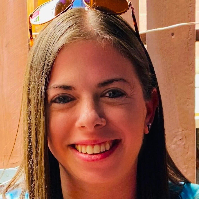
Rachel Pehrson
LCSW, CSW
Licensed Clinical Social Worker - Anxiety and Addiction
License and NPI on record
- Credentials
- LCSW, CSW
- License
- LCSW, Colorado · No. CSW.09926388
- NPI
- 1811231301
- Experience
- 9 years
- Languages
- English
- State
- Colorado
As supplied to BetterHelp. A license can be checked with the state board, and an NPI with the national NPI registry.
- CBT methods
- Mindfulness practice
- ACT principles
About Rachel
Rachel Pehrson is a Licensed Clinical Social Worker (LCSW) in Colorado with nine years of experience as a psychotherapist. She has practiced in community mental health centers, primary care and pain management clinics, homeless shelters, and outpatient substance use programs. Rachel works with people facing anxiety, depression, substance use, trauma, grief, chronic pain, relationship strain, and related concerns.
Her background includes a Master of Social Work from Long Island University, completed in 2012. That training and varied clinical work exposed her to many settings and difficulties people bring to therapy. She has supported people managing PTSD symptoms, mood disorders, and complicated grief alongside chronic medical problems.
Rachel’s sessions are interactive and direct. She uses plain discussion, practical skills, and mindfulness exercises to help people notice patterns and try new responses. She draws from cognitive behavioral methods, acceptance and commitment ideas, and elements of dialectical behavior approaches to address thoughts, feelings, and behaviors.
In sessions she focuses on clearer communication and concrete steps people can try between visits. That can include practicing new ways to speak up, testing small behavior changes, and mindfulness practices for stress and sleep. She also works on relapse prevention and planning for those dealing with substance use.
Rachel prefers to shape treatment around what a person needs and wants to work on. She asks practical questions, sets measurable goals, and checks progress as therapy continues. To begin she guides people through a short matching questionnaire and schedules a first session when ready.
How therapeutic approaches inform online work
Rachel integrates cognitive behavioral therapy (CBT) and acceptance and commitment therapy (ACT) in straightforward ways. CBT focuses on identifying unhelpful thoughts and testing new behaviors to reduce distress and improve daily functioning. ACT emphasizes noticing thoughts and feelings without getting stuck in them, and clarifying what matters so actions line up with values.She views approach selection as collaborative. The therapist will talk with each person about goals, preferences, and what feels most useful. Together they try methods, track what helps, and adjust the plan as needed.
Session formats are not specified in the original biography, so confirm current options before booking. Practical benefits of working online include fitting sessions into a day without travel, easier access when mobility or pain is an issue, and options that can reduce time off work. Some people use shorter check-ins or phone-based conversations when less screen time is helpful, while others prefer a fuller session for skills practice and guided exercises. Rachel will discuss which format fits a person’s schedule and therapy goals during the matching process.
Areas of expertise
Primary focus
Also works with
Additional focus areas
Therapeutic approaches
Experience
9+ years
Credentials
Colorado
Languages
English
Frequently asked questions
What concerns does she focus on?
She works with stress, anxiety, depression, substance use, trauma and grief, chronic pain, relationship and intimacy issues, ADHD, and related challenges.
What is her therapeutic style?
Sessions are interactive and practical, using conversation, skills practice, and mindfulness exercises to change patterns of thinking and behavior.
How much clinical experience does she have?
She has nine years of experience working as a psychotherapist in a range of settings including community mental health, pain management, shelters, and outpatient substance use treatment.
What are her credentials and location?
She is an LCSW and CSW licensed in Colorado and holds a Master of Social Work from Long Island University.
Which languages are supported?
Sessions are offered in English.
Does she work with international clients?
She does not accept international clients at this time.
How does payment work?
Cost varies with location and sessions use a subscription that can be canceled at any time.
How do I begin a first session?
Select the See online therapy options button, complete a short matching questionnaire, and then schedule your first session.
Before you reach out
- Check that the state license on record covers the state you live in.
- If exposure and response prevention (ERP) or another method matters to you, ask whether and how this counselor uses it.
- You do not need to explain every thought or ritual at the start. One example is enough.
- A profile shows the topics a counselor lists; it is not a diagnosis or a promise of results.
If you feel unsafe right now, call or text 988, or call 911.