Counselor profile
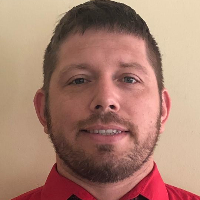
Richard Rodgers
LCSW
LCSW - anxiety and addictions
License and NPI on record
- Credentials
- LCSW
- License 1
- LCSW, Illinois · No. 149.020534
- License 2
- LCSW, Indiana · No. 34008256A
- License 3
- LCSW, Arizona · No. LCSW-21892
- NPI
- 1891279287
- Experience
- 10 years
- Languages
- English
- State
- Indiana
As supplied to BetterHelp. A license can be checked with the state board, and an NPI with the national NPI registry.
- Exposure and response ideas
- CBT and ACT methods
- Trauma-informed focus
About Richard
Richard Rodgers is an LCSW with ten years of experience. He practices in Indiana and lists concerns he works with as stress, anxiety, addictions, trauma and abuse, grief, depression, and related challenges.
He began his path after serving with the Army National Guard and seeing how substance use and trauma affected people close to him. That experience led him into community health and then a Master of Social Work. He holds the LCSW credential in Illinois and Arizona and has worked across inpatient and outpatient settings.
In session he uses straightforward talking combined with methods drawn from Acceptance and Commitment Therapy, Attachment-Based work, Client-Centered therapy, Cognitive Behavioral Therapy, and Dialectical Behavior Therapy. He focuses on practical strategies for managing intrusive thoughts, intense emotions, and patterns that keep people stuck.
Richard has a background in addiction work and long experience with depression, anxiety, and trauma. He draws on that clinical experience to help people make changes in how they cope, relate, and handle everyday pressures. He addresses issues such as sleeping problems, parenting strain, relationship and intimacy concerns, and work-related stress.
His style aims to be direct and collaborative. People who come for help can expect to talk through current problems, practice specific skills between sessions, and set clear goals for change. Sessions are delivered in English. For details about how sessions are scheduled and the formats offered, confirm current options before booking.
How his approaches apply to online work
Richard uses Acceptance and Commitment Therapy to help people notice painful thoughts and move toward meaningful actions despite them; ACT is often used for anxiety, intrusive thinking, and life changes. Attachment-Based Therapy looks at patterns in close relationships and helps people understand how early connections affect current responses and intimacy struggles. He also uses Client-Centered therapy, which emphasizes clear listening and collaborating on goals. That approach supports people who need steady, nonjudgmental feedback as they practice new behaviors and coping skills. Finding the right approach is part of the work together. He will discuss which methods fit your goals and try strategies that match your situation and preferences. Decisions about focus and techniques are made collaboratively, and adjustments are normal as you progress. Session format options are not listed in the biography, so confirm the available online formats before you book. Many people choose remote sessions because they can fit therapy into a workday, join from a quieter location, or have a shorter check-in when needed. Licensed professionals can adapt CBT and ACT exercises for video or phone meetings, and skills such as behavioral experiments, values clarification, and emotion regulation practice translate well to remote sessions. For specifics about how sessions are arranged with Richard, check the online therapy options and the brief matching questionnaire before scheduling.Areas of expertise
Also works with
Additional focus areas
Therapeutic approaches
Experience
10+ years
Credentials
Illinois, Indiana, Arizona
Languages
English
Frequently asked questions
What kinds of problems does he help with most often?
He works with stress, anxiety, addictions, trauma and abuse, grief, depression, and related concerns such as sleep problems, parenting strain, and career issues.
What is his general therapeutic approach?
He integrates Acceptance and Commitment Therapy, Cognitive Behavioral techniques, Attachment-Based ideas, Client-Centered therapy, and Dialectical Behavior Therapy to address thinking patterns and behavior.
How much clinical experience does he have?
He has ten years of professional experience in mental health and addiction settings, including inpatient and outpatient care and work connected to military service.
What are his credentials and where does he practice?
He is an LCSW and practices in Indiana with licensure noted in Illinois and Arizona as LCSW.
In which language are sessions offered?
Sessions are offered in English.
Does he work with clients outside the United States?
He does not accept international clients.
How are sessions scheduled and what formats are available?
Session formats are not specified here; confirm the current session options before booking so you know how appointments are held.
How does the subscription and cost structure work?
Cost varies with location and sessions use a subscription model that can be canceled at any time.
Before you reach out
- Check that the state license on record covers the state you live in.
- If exposure and response prevention (ERP) or another method matters to you, ask whether and how this counselor uses it.
- You do not need to explain every thought or ritual at the start. One example is enough.
- A profile shows the topics a counselor lists; it is not a diagnosis or a promise of results.
If you feel unsafe right now, call or text 988, or call 911.