Counselor profile
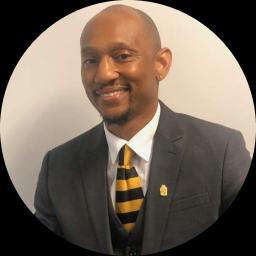
Robert Johnson III
LPC, LCMHC
LPC LCMHC - anxiety and addictions
License and NPI on record
- Credentials
- LPC, LCMHC
- License 1
- LCMHC, North Carolina · No. S8595
- License 2
- LPC, South Carolina · No. 5463
- NPI
- 1912153107
- Experience
- 20 years
- Languages
- English
- State
- North Carolina
As supplied to BetterHelp. A license can be checked with the state board, and an NPI with the national NPI registry.
- Stress and anxiety
- Drug and alcohol issues
- Family related concerns
About Robert
Robert Johnson III is a Licensed Professional Counselor (LPC) and a Licensed Clinical Mental Health Counselor (LCMHC) with 20 years of experience. He practices in North Carolina and helps people who are dealing with stress, anxiety, addictions, relationship strain, family concerns, and depression.
He focuses on practical steps people can take when feelings become overwhelming. He listens for what is already working in a person's life, then suggests clear strategies to reduce unhelpful patterns. Conversations are straightforward and problem-focused rather than vague or theoretical.
Robert often addresses issues that grow from family history and life transitions. He helps people sort through abandonment, family of origin problems, blended family challenges, and fatherhood concerns. He also supports people facing fertility-related stress, adoption and foster care questions, and first responder stress.
Addiction-related work includes helping people manage drug and alcohol problems and the behaviors that keep them stuck. He also helps with persistent feelings of emptiness, guilt, shame, and difficulties around commitment or control.
With two decades of practice, Robert draws on evidence-based therapeutic techniques to create simple, manageable steps. He encourages clients to notice small changes and build from those. To start, he asks practical questions to match goals to methods and to set clear expectations for early sessions.
How evidence-based techniques are used online
Robert uses evidence-based therapeutic techniques to guide sessions. One common approach focuses on identifying unhelpful thinking and shifting behavior through straightforward, practical exercises. This helps with anxiety, low mood, and patterns that maintain stress. Another common approach centers on behavior change for substance use and habit problems, using step-by-step plans and monitoring to reduce harmful actions and increase alternatives.Choosing the right method is part of the work. The therapist collaborates with each person to decide which techniques fit their goals and circumstances. That collaborative decision helps shape session activities and homework so progress is clear and measurable.
Confirm the current session options before booking as formats are not specified in the biography. Online sessions can make it easier to fit therapy into a busy schedule, require less travel time, and allow for brief check-ins when needed. Many people find remote sessions helpful for maintaining consistency and for practicing strategies between visits.
Areas of expertise
Primary focus
Additional focus areas
Experience
20+ years
Credentials
North Carolina, South Carolina
Languages
English
Frequently asked questions
What concerns does he help with most often?
He focuses on stress, anxiety, addictions, relationship strain, family problems, and depression. Additional areas include abandonment, family of origin issues, fatherhood, and fertility stress.
What kind of approach does he use in sessions?
He uses evidence-based therapeutic techniques and favors practical, stepwise strategies. Sessions emphasize clear actions and noticing small changes over time.
How long has he been practicing?
He has 20 years of professional experience working with people on a range of emotional and behavioral concerns.
What are his credentials and where does he practice?
He holds LPC and LCMHC credentials and practices in North Carolina. The LPC is noted and the LCMHC is listed exactly as provided.
Does he offer sessions in other languages?
Sessions are offered in English.
Can people outside the United States work with him?
International clients are not currently accepted.
How are fees and payment handled?
Cost varies with location and sessions use a subscription that can be canceled at any time.
What are the steps to begin working with him?
Select the See online therapy options button, complete a short matching questionnaire, and schedule a first session.
Before you reach out
- Check that the state license on record covers the state you live in.
- If exposure and response prevention (ERP) or another method matters to you, ask whether and how this counselor uses it.
- You do not need to explain every thought or ritual at the start. One example is enough.
- A profile shows the topics a counselor lists; it is not a diagnosis or a promise of results.
If you feel unsafe right now, call or text 988, or call 911.