Counselor profile
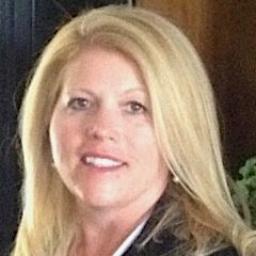
Romney Snyder-Croft
LCSW
LCSW - Anxiety and Life Changes
License and NPI on record
- Credentials
- LCSW
- License 1
- LCSW, Illinois · No. 149020774
- License 2
- LCSW, Tennessee · No. 1217
- NPI
- 1972768224
- Experience
- 20 years
- Languages
- English
- State
- Tennessee
As supplied to BetterHelp. A license can be checked with the state board, and an NPI with the national NPI registry.
- Stress management
- Eating concerns
- Caregiver support
About Romney
Romney Snyder-Croft is an LCSW licensed in Illinois and Tennessee with 20 years of clinical experience. She works with people facing stress, anxiety, eating concerns, depression, and coping with life changes, and she also offers coaching for professional concerns.
She talks plainly about daily struggles and practical steps. Sessions focus on identifying problems that cause distress and trying out small changes that reduce worry or improve routines. Romney also addresses caregiving strain, chronic health issues, and workplace stress in straightforward terms.
Her background includes work with adoption and foster care matters, attachment issues, aging and geriatric concerns, autism and Asperger syndrome, and blended family challenges. She helps people who are managing body image, cancer, chronic pain or illness, and caregiver stress. Communication problems, control issues, codependency, and commitment concerns are also part of her caseload.
Romney adapts conversations and plans to the person in front of her. She uses evidence-based therapeutic techniques and practical coaching strategies to set clear steps and measurable goals. Sessions tend to emphasize actions people can try between meetings and ways to track small improvements.
Romney works with adults across a wide age range. Her approach is direct and focused on daily life changes that make an immediate difference. For someone overwhelmed by checking, intrusive thoughts, or difficulty letting go of possessions, she can help break issues into manageable tasks and steady steps forward.
How evidence-based approaches translate to online work
Evidence-based therapeutic techniques are used to help people change unhelpful thoughts and behaviors. Cognitive-behavioral strategies focus on recognizing patterns of thinking that increase anxiety and testing new, more realistic thoughts to reduce distress. Behavioral interventions encourage small, repeated actions that gradually change habits and reactions.Exposure-based approaches can help when intrusive thoughts, checking, or avoidance cause major disruption. These methods involve gradual, supported practice of facing feared situations while reducing rituals, which helps rebuild confidence over time. Romney will discuss whether such an approach fits the client and adapt the pace to their comfort and goals.
Finding the right approach is part of the work together. The therapist and client review needs, goals, and preferences and decide on techniques to try. This collaborative process helps pick methods that suit daily routines and the particular problems someone brings.
Confirm current session options before booking, as formats are not specified in the biography. Online work can make it easier to fit appointments around work, caregiving, or medical routines, reduce travel time, and allow shorter check-ins when needed. It also supports doing practices in the settings where problems occur, which can make therapeutic tasks more practical and directly useful.
Areas of expertise
Primary focus
Additional focus areas
Experience
20+ years
Credentials
Illinois, Tennessee
Languages
English
Frequently asked questions
What concerns does she commonly address?
She works with stress, anxiety, eating concerns, depression, coping with life changes, and coaching for work or personal goals. Additional areas include caregiver stress, chronic illness, attachment issues, and body image.
What is her therapy style like?
She uses clear, practical conversations and evidence-based techniques to set steps people can try between sessions. The emphasis is on measurable changes and problem-solving rather than abstract discussion.
How much experience does she have?
She has 20 years of professional experience working in clinical and coaching roles.
What are her credentials and where is she based?
She is an LCSW licensed in Illinois and Tennessee and practices from Tennessee.
Which languages are supported?
Sessions are offered in English.
Can international clients work with her?
She does not accept international clients at this time.
How are sessions paid for?
Cost varies with location and sessions use a subscription that can be canceled at any time.
How do I begin working with her?
Select the See online therapy options button, complete a short matching questionnaire, and schedule a first session.
Before you reach out
- Check that the state license on record covers the state you live in.
- If exposure and response prevention (ERP) or another method matters to you, ask whether and how this counselor uses it.
- You do not need to explain every thought or ritual at the start. One example is enough.
- A profile shows the topics a counselor lists; it is not a diagnosis or a promise of results.
If you feel unsafe right now, call or text 988, or call 911.