Counselor profile
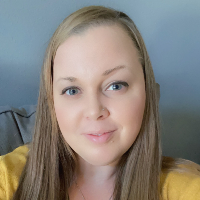
Sarah Hewitt
LCMHC, LMHC
LCMHC, LMHC - Anxiety and Compulsive Behaviors
License and NPI on record
- Credentials
- LCMHC, LMHC
- License 1
- LCMHC, Utah · No. 10318036-6004
- License 2
- LMHC, Indiana · No. 39004411A
- NPI
- 1417318239
- Experience
- 9 years
- Languages
- English
- State
- Indiana
As supplied to BetterHelp. A license can be checked with the state board, and an NPI with the national NPI registry.
- CBT methods
- ACT techniques
- Attachment focus
About Sarah
Sarah Hewitt is a Licensed Clinical Mental Health Counselor (LCMHC, LMHC) with nine years of clinical experience in Indiana and Utah. She works with people who are dealing with stress, anxiety, depression, relationship strain, trauma and abuse, compulsive behaviors, and problems letting go. She also addresses issues such as ADHD, grief, parenting stress, and challenges around intimacy and attachment.
Sarah uses plain, practical ways of working. Sessions focus on identifying what keeps a problem going and trying small, doable changes. She combines talk-based methods with skills practice so people can test new responses between meetings. Her style is direct and grounded in behavioral approaches such as cognitive work and acceptance strategies.
In longer work she helps people notice attachment patterns and how those affect current relationships. She uses client-centered listening alongside techniques from ACT and DBT to build clearer goals and steady routines. That mix helps with managing intrusive thoughts, checking, and compulsive urges by giving specific tools and practice.
Sarah has worked across settings since 2016 and has experience with a wide range of concerns, from mood and anxiety to trauma and compulsive behaviors. She encourages practical steps - short experiments, behavior changes, and emotion regulation skills - that reduce distress and improve day-to-day functioning.
To begin she asks people to complete a short questionnaire and schedule a first session. Sessions are offered in English and follow the logistical process set by her practice.
How therapeutic approaches translate to online sessions
Acceptance and Commitment Therapy (ACT) focuses on noticing difficult thoughts and feelings without getting stuck in them. It encourages people to name what matters to them and take small actions toward those values, which can reduce the hold of repetitive thoughts and rituals. Cognitive Behavioral Therapy (CBT) looks at the links between thoughts, feelings, and behaviors and teaches concrete skills to change unhelpful patterns. CBT is often used to break checking cycles and to test whether feared outcomes actually happen. Attachment-Based Therapy examines patterns in close relationships and how early bonds influence current reactions. This can help people understand relationship triggers and improve communication and closeness.Finding the right approach is part of the work. The therapist will collaborate with each person to decide which methods fit their goals and daily life. That means trying an approach, checking how it feels, and adjusting plans together rather than settling on a single method at the start.
Session logistics should be confirmed before booking since formats are not specified here. Online therapy can make it easier to fit sessions into a busy schedule, allow shorter check-ins when needed, and remove travel time. It also lets people practice skills between meetings in the situations where problems occur. Confirm the exact session options offered when you schedule so you know how meetings will be arranged.
Areas of expertise
Primary focus
Also works with
Additional focus areas
Therapeutic approaches
Experience
9+ years
Credentials
Utah, Indiana
Languages
English
Frequently asked questions
What concerns does she work with most often?
She addresses stress, anxiety, depression, relationship strain, trauma and abuse, compulsive behaviors, and related issues such as ADHD and grief.
What therapeutic approaches does she use?
She draws from Cognitive Behavioral Therapy (CBT), Acceptance and Commitment Therapy (ACT), Dialectical Behavior Therapy (DBT), attachment-based work, and client-centered methods.
How much clinical experience does she have?
She has provided mental health and behavioral interventions since 2016, totaling nine years of clinical work.
What are her credentials and where is she based?
She holds LCMHC and LMHC credentials and practices in Indiana with ties to Utah licensure listed.
Which languages are supported in sessions?
Sessions are offered in English.
Does she work with international clients?
She does not accept international clients at this time.
How are costs handled?
Cost varies by location and sessions use a subscription model that can be canceled at any time.
How do I get started with a first session?
Select the See online therapy options button, complete a short matching questionnaire, and schedule a first session.
Before you reach out
- Check that the state license on record covers the state you live in.
- If exposure and response prevention (ERP) or another method matters to you, ask whether and how this counselor uses it.
- You do not need to explain every thought or ritual at the start. One example is enough.
- A profile shows the topics a counselor lists; it is not a diagnosis or a promise of results.
If you feel unsafe right now, call or text 988, or call 911.