Counselor profile
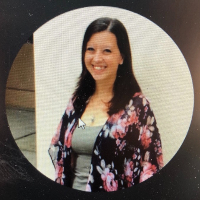
Sarah Steingiser
LCSW
Licensed Clinical Social Worker - OCD and hoarding concerns
License and NPI on record
- Credentials
- LCSW
- License
- LCSW, Connecticut · No. 011220
- NPI
- 1619479474
- Experience
- 6 years
- Languages
- English
- State
- Connecticut
As supplied to BetterHelp. A license can be checked with the state board, and an NPI with the national NPI registry.
- CBT techniques
- Mindfulness practice
- Trauma informed methods
About Sarah
Sarah Steingiser is a Licensed Clinical Social Worker (LCSW) practicing in Connecticut with six years of experience. She lists working with stress, anxiety, trauma and abuse, anger, self-esteem, depression, relationship and family concerns, and parenting challenges among her areas of focus. Sarah also notes experience with OCD, ODD, and ADHD in her background.
She has worked across outpatient settings, child welfare, addiction treatment, nursing homes, and extended day treatment programs for children. That range means she has seen clients in different stages of life and care. Sarah describes a conversational, interactive counseling style that aims to treat people without labels or judgment.
Her work draws on client-centered ideas, cognitive behavioral therapy (CBT), mindfulness, solution-focused techniques, and trauma-focused methods. Sessions typically involve talking through current problems, trying practical strategies, and checking what helps. She may also use approaches intended to address emotional responses and coping skills.
Sarah’s experience includes supporting people affected by physical trauma or emotional abuse. She has worked with a wide age span in previous roles and brings that practical experience into her sessions. The focus is on clear steps, manageable strategies, and ongoing adjustment based on what a person reports back.
For someone dealing with repetitive thoughts, checking, ritual behaviors, or difficulty letting go, Sarah offers straightforward conversations and concrete tools to practice between meetings. To begin, follow the site’s guided matching steps and schedule a first session if you decide to proceed.
How Sarah uses evidence-based approaches online
Client-Centered Therapy focuses on listening and following the client's concerns. The therapist prioritizes the person's experience and uses conversation to clarify goals and next steps. Cognitive Behavioral Therapy (CBT) looks at patterns of thought and behavior and uses specific exercises to test and change those patterns; it is often used for anxiety, compulsive behaviors, and mood concerns. Mindfulness Therapy helps people develop present-moment awareness and simple attention practices to reduce reactivity and improve focus.Finding the right mix of these approaches is part of the work. Sarah will collaborate with the person to decide which methods to try first, review how exercises went, and adjust the plan based on goals and preferences. That shared decision-making helps keep sessions practical and aligned with what the client needs.
The site lists how to proceed and includes a short matching questionnaire to schedule a first session. Session formats are not specified in the biography, so confirm current online options before booking. Online sessions can make it easier to fit therapy into a busy day, allow shorter focused check-ins, or offer a way to continue work without travel. Therapists can adapt CBT exercises and mindfulness practices for remote meetings so people can practice between sessions and track progress over time.
Areas of expertise
Primary focus
Also works with
Additional focus areas
Therapeutic approaches
Experience
6+ years
Credentials
Connecticut
Languages
English
Frequently asked questions
What kinds of problems does she help with?
She works with stress, anxiety, trauma and abuse, anger, self-esteem, depression, relationship and family concerns, parenting, and related issues including OCD and ADHD.
What is her general therapy style?
Her style is conversational and interactive. Sessions focus on practical strategies, reflection, and adjusting plans based on what helps.
How many years has she been practicing?
She has six years of professional experience working in outpatient care, child welfare, addiction treatment, nursing homes, and child treatment programs.
What credential does she hold and where is she based?
She is a Licensed Clinical Social Worker (LCSW) licensed in Connecticut and practices in that state.
Does she offer sessions in languages other than English?
Sessions are offered in English only.
Can people outside the United States work with her?
International clients are not currently accepted.
How does payment and cost work?
Cost varies with location. Sessions use a subscription that can be canceled at any time.
How do I begin if I want to try a session?
Select the See online therapy options button, complete the short matching questionnaire, and schedule your first session through the site.
Before you reach out
- Check that the state license on record covers the state you live in.
- If exposure and response prevention (ERP) or another method matters to you, ask whether and how this counselor uses it.
- You do not need to explain every thought or ritual at the start. One example is enough.
- A profile shows the topics a counselor lists; it is not a diagnosis or a promise of results.
If you feel unsafe right now, call or text 988, or call 911.