Counselor profile
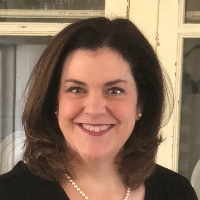
Shannon Madden
LPC
LPC in Arizona - stress and anxiety
License and NPI on record
- Credentials
- LPC
- License
- LPC, Arizona · No. 11886
- NPI
- 1982722526
- Experience
- 26 years
- Languages
- English
- State
- Arizona
As supplied to BetterHelp. A license can be checked with the state board, and an NPI with the national NPI registry.
- Cognitive Behavioral Therapy
- Client-Centered Therapy
- Mindfulness Therapy
About Shannon
Shannon Madden is an LPC (Licensed Professional Counselor) in Arizona with 26 years of experience. She lists stress, anxiety, grief, self-esteem issues, career concerns, depression, family problems, trauma and abuse, sleep difficulties, anger, bipolar disorder, coping with life changes, and compassion fatigue among the concerns she addresses. Shannon uses a practical approach that draws on Cognitive Behavioral Therapy and other methods to help people notice how thoughts affect feelings and behavior.
She begins by working to identify unhelpful beliefs and patterns. She often uses worksheets to map thoughts and reactions. Shannon explains brain processes in plain terms to show how small changes can lead to different responses. She also uses humor early on to lower tension and make the first sessions easier.
Shannon earned a Master of Counseling from the University of Phoenix and a Master of Arts in Organizational Management from the same university. She previously studied neuropsychology at doctoral level but did not complete that degree. Her background includes crisis counseling in fire and emergency settings and clinical roles focused on traumatic stress.
Across her career she has worked in emergency departments, with first responders, and within military psychological health programs. Those roles shaped her focus on PTSD, suicide prevention, and life transitions. More recently she has worked in Arizona’s state crisis system in a telecommuting role while maintaining clinical practice interests.
Her style is straightforward and task-oriented. Sessions tend to include discussion, practical worksheets, and explanations of how behavior and thought connect. People looking for clear steps and explanations about how change happens may find her approach helpful.
How her approaches work in online sessions
Shannon uses Cognitive Behavioral Therapy to help people identify and change the thoughts that feed anxiety, checking, or compulsive behaviors. CBT usually involves practical exercises, worksheets, and step-by-step practice to alter reactions to intrusive thoughts.She also uses Client-Centered Therapy, which focuses on listening and reflecting so the person can make sense of their own feelings and decisions. That approach helps when someone needs time to name concerns and set goals at their own pace.
Finding the right approach is part of the work. Shannon will talk with each person about goals, try methods that fit their preferences, and adjust the plan as progress or new challenges appear. She frames this as a shared process rather than a fixed set of steps.
Confirm the current session options before booking, as the original biography does not list specific formats. Online therapy can make scheduling easier and reduce travel time, letting sessions fit around work, caregiving, or appointments. Some people use shorter check-ins for quick support, while others keep weekly or biweekly sessions for deeper work. Ask about session length and format when you complete the matching questionnaire so the arrangement fits everyday life.
Areas of expertise
Primary focus
Also works with
Additional focus areas
Therapeutic approaches
Experience
26+ years
Credentials
Arizona
Languages
English
Frequently asked questions
What kinds of concerns does she address most often?
Shannon lists stress, anxiety, grief, self-esteem, depression, trauma and abuse, sleep problems, anger, bipolar disorder, and coping with life changes among her typical concerns.
What is her therapeutic style like?
She takes a practical, task-focused approach using worksheets and clear explanations. Sessions often include discussing thoughts, behaviors, and small exercises to change patterns.
How long has she been practicing?
She has 26 years of experience working in crisis counseling, emergency settings, and programs focused on traumatic stress and life transitions.
Where is her practice based and what are her credentials?
She is an LPC, Licensed Professional Counselor, practicing in Arizona.
Which languages are sessions offered in?
Sessions are offered in English.
Does she work with international clients?
She does not accept international clients.
How are sessions paid for and what does it cost?
Cost varies with location; sessions use a subscription that can be canceled at any time.
How do I begin a first session?
Select the See online therapy options button, complete a short matching questionnaire, and schedule a first session.
Before you reach out
- Check that the state license on record covers the state you live in.
- If exposure and response prevention (ERP) or another method matters to you, ask whether and how this counselor uses it.
- You do not need to explain every thought or ritual at the start. One example is enough.
- A profile shows the topics a counselor lists; it is not a diagnosis or a promise of results.
If you feel unsafe right now, call or text 988, or call 911.