Counselor profile
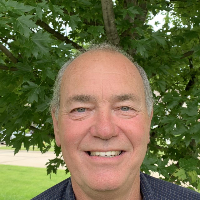
Steven Buck
LCSW
LCSW in Missouri - relationships and mood concerns
License and NPI on record
- Credentials
- LCSW
- License
- LCSW, Missouri · No. 000664
- NPI
- 1952348088
- Experience
- 30 years
- Languages
- English
- State
- Missouri
As supplied to BetterHelp. A license can be checked with the state board, and an NPI with the national NPI registry.
- Cognitive Behavioral Therapy
- Attachment-based focus
- Client-centered listening
About Steven
Steven Buck is an LCSW - Licensed Clinical Social Worker in Missouri with 30 years of experience. He works with people who are dealing with depression, mood disorders, anxiety, phobias, anger, ADHD, relationship stress, and self-esteem concerns. He also lists work with trauma, grief, addictions, and compassion fatigue.
He spent nearly two decades in a psychiatric hospital and has also practiced in personal and agency settings. That background means he has seen a wide range of problems and practical ways to intervene. Sessions tend to focus on clear goals and steps rather than abstract theory.
His style is non-judgmental and grounded. He aims to understand how a person sees their problems and to listen closely to feelings and concerns. He looks for strengths a person already has, and helps make those strengths useful in everyday life.
Steven uses cognitive behavioral methods alongside an interest in systems and attachment. That means he pays attention to patterns of thinking and behavior, and also to how relationships, roles, and boundaries affect problems. He discusses communication, structure, and practical changes people can try at home.
Therapy with him typically involves straightforward conversations, problem-focused work, and action steps between sessions. He encourages people to weigh options and test small changes. If you are looking for practical strategies for anxiety, relationship strain, or difficulty letting go, his approach centers on listening and proposing workable next steps.
How his approaches translate to online work
Steven’s practice draws on cognitive behavioral therapy and attachment-based ideas. CBT focuses on noticing and testing thoughts and behaviors. It helps with anxiety, mood, and compulsive patterns by breaking problems into manageable steps. Attachment-based work looks at how relationships and early patterns shape current reactions. That approach is useful when communication, boundaries, or repeated interpersonal cycles are central concerns.Finding the right approach is part of the work. He will collaborate with each person to pick methods that match their needs and goals. That means discussing what feels doable, trying small changes, and adjusting plans based on what helps.
The original biography does not list specific online formats, so confirm current options before booking. In general, online sessions can make it easier to fit therapy into a busy day, allow shorter check-ins when time is limited, and reduce the need to travel. Therapists offering online work often adapt CBT exercises and attachment-focused conversations to a virtual setting so progress continues between sessions.
Areas of expertise
Primary focus
Also works with
Additional focus areas
Therapeutic approaches
Experience
30+ years
Credentials
Missouri
Languages
English
Frequently asked questions
What kinds of problems does he help with most often?
He lists depression, mood disorders, anxiety, phobias, anger, ADHD, relationship and self-esteem concerns among his primary areas of work.
What is his general approach in sessions?
He describes a non-judgmental, listening-first style that focuses on practical steps, communication, and structure rather than abstract theory.
How much clinical experience does he have?
He has practiced for approximately 30 years, including almost 20 years in a psychiatric hospital and time in independent practice and mental health agencies.
What credentials and location does he hold?
He is an LCSW - Licensed Clinical Social Worker licensed in the State of Missouri.
Are sessions available in other languages or internationally?
Sessions are offered in English and he does accept international clients.
What session formats are offered?
The biography does not specify session formats. Confirm current session options before booking to know which formats are available.
How are fees handled?
Cost varies with location and sessions use a subscription that can be canceled at any time.
How do I begin working with him?
Select the See online therapy options button, complete a short matching questionnaire, and schedule your first session.
Before you reach out
- Check that the state license on record covers the state you live in.
- If exposure and response prevention (ERP) or another method matters to you, ask whether and how this counselor uses it.
- You do not need to explain every thought or ritual at the start. One example is enough.
- A profile shows the topics a counselor lists; it is not a diagnosis or a promise of results.
If you feel unsafe right now, call or text 988, or call 911.