Counselor profile
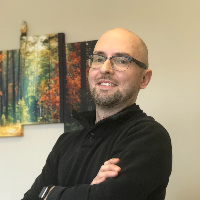
Thom Barry
LCSW
Licensed Clinical Social Worker - OCD and hoarding focus
License and NPI on record
- Credentials
- LCSW
- License
- LCSW, Tennessee · No. 7131
- NPI
- 1396240347
- Experience
- 8 years
- Languages
- English
- State
- Tennessee
As supplied to BetterHelp. A license can be checked with the state board, and an NPI with the national NPI registry.
- CBT techniques
- Attachment work
- Practical skills
About Thom
Thom Barry is a Licensed Clinical Social Worker (LCSW) in Tennessee with eight years of experience. He works with people facing stress, anxiety, depression, addictions, trauma, relationship and intimacy-related issues, ADHD, grief, and related concerns including attachment and abandonment worries.
He describes therapy in plain terms. He compares emotional overload to an overflowing bucket and aims to help people empty that bucket. Sessions focus on naming what's happening, noticing thoughts and feelings, and building practical ways to reduce everyday strain.
Thom uses straightforward, person-focused methods rather than jargon. He listens for what already works, then helps adjust strategies that are not helping. The work includes talking through problems, practicing new reactions, and planning small experiments to change habits that keep someone stuck.
Expect a collaborative approach that balances practical tools and self-understanding. He will help clients put words to their experience and map out steps toward manageable change. Sessions may include short skills practice, problem-solving, and planning for real-life moments that trigger worry or avoidance.
Thom notes that people tend to stick with what feels familiar, even when it causes distress. Therapy here is about learning different responses and rehearsing them until they feel less strange. He also believes some light humor can ease tense moments while keeping focus on the work at hand.
How his approaches translate to online work
Thom uses Cognitive Behavioral Therapy (CBT) to help people identify unhelpful thoughts and test alternative responses. CBT sessions often include short exercises and homework to practice new behaviors between meetings.He also draws on Attachment-Based Therapy, which looks at patterns in relationships and how early bonds affect current reactions. This approach can help people notice automatic relationship responses and try different ways of connecting or setting boundaries.
Choosing the right approach is a collaborative step. Thom will talk with clients about their goals and preferences and decide together which methods to try first. Plans can be adjusted as progress is tracked and new challenges appear.
If you want to work online, confirm the session formats before booking. The main practical benefits of remote sessions are being able to fit meetings into a busy day, reduce travel time, and use shorter check-ins when needed. Some people find online sessions make it easier to apply new skills in daily life because they move directly from session to routine. Licensed professionals can adapt CBT exercises and attachment work effectively in virtual sessions, with clear agendas and focused practice.
Areas of expertise
Also works with
Additional focus areas
Therapeutic approaches
Experience
8+ years
Credentials
Tennessee
Languages
English
Frequently asked questions
What kinds of problems does he help with most often?
He helps people with stress, anxiety, depression, addictions, trauma, relationship and intimacy-related concerns, ADHD, grief, and related issues such as attachment and abandonment.
What is his therapeutic style?
He uses plain, client-centered language and focuses on practical strategies. Sessions concentrate on naming feelings, testing new reactions, and planning small behavior changes.
How much experience does he have?
He has eight years of clinical experience as a Licensed Clinical Social Worker.
What are his credentials and where does he practice?
He holds the LCSW credential and practices in Tennessee under the TN LCSW designation.
Which languages are sessions offered in?
Sessions are offered in English.
Can people outside the US work with him?
He accepts international clients.
How do sessions handle cost and billing?
Cost varies with location and sessions use a subscription that can be canceled at any time.
How do I start a first session?
Select the See online therapy options button, complete a short matching questionnaire, and schedule a first session.
Before you reach out
- Check that the state license on record covers the state you live in.
- If exposure and response prevention (ERP) or another method matters to you, ask whether and how this counselor uses it.
- You do not need to explain every thought or ritual at the start. One example is enough.
- A profile shows the topics a counselor lists; it is not a diagnosis or a promise of results.
If you feel unsafe right now, call or text 988, or call 911.