Counselor profile
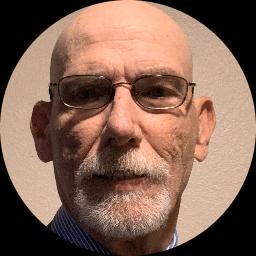
William Kearns
LCSW
LCSW - Addictions and relationship concerns
License and NPI on record
- Credentials
- LCSW
- License
- LCSW, Indiana · No. 34007515A
- NPI
- 1851838106
- Experience
- 10 years
- Languages
- English
- State
- Indiana
As supplied to BetterHelp. A license can be checked with the state board, and an NPI with the national NPI registry.
- Client-Centered Therapy
- Solution-Focused Therapy
- Parenting support
About William
William Kearns is a Licensed Clinical Social Worker (LCSW) in Indiana with ten years of clinical experience. He helps people who are struggling with addictions, relationship problems, family conflict, trauma and abuse, and parenting concerns. William frames clients as the experts on their own lives and focuses on practical ways to move forward.
He listens for strengths clients can use right away. Sessions are meant to be straightforward and action-oriented. He avoids long theoretical discussions and focuses on what will help in daily life.
William uses client-centered methods that emphasize the person’s perspective and priorities. He also applies solution-focused work to set small, achievable goals. Together these approaches help people build steps they can try between sessions.
In meetings he works to identify specific patterns that keep problems going. That can include responses to loss, problems with attachment, or behaviors tied to addiction or relationship strain. He offers clear suggestions and helps people decide which ideas to try next.
Practical matters are addressed too. He notes that chat or texting therapy is not available. Prospective clients should confirm session options when they begin the intake process. William conducts sessions in English and practices in Indiana.
How his approaches are used in online sessions
William uses Client-Centered Therapy, which focuses on listening to the person’s perspective and prioritizing what matters most to them. This approach helps when someone needs a chance to sort out feelings, values, and goals without being guided by a rigid plan.He also uses Solution-Focused Therapy, a practical method that breaks problems into manageable steps. That work emphasizes small, concrete changes and short-term goals to test what helps between sessions.
Finding the right approach is part of the work together. William will talk through the options with each person, match methods to their goals, and adjust plans based on what proves useful. The process is collaborative and aimed at clear next steps.
Confirm the exact online session options before booking, as the biography does not list specific formats and notes that chat or texting therapy is not available. Online therapy can make scheduling easier, allow for shorter check-ins when needed, and reduce travel time so sessions fit into a workday or caregiving schedule. Those practical benefits can help people try focused strategies consistently without adding extra logistical burden.
Areas of expertise
Primary focus
Additional focus areas
Therapeutic approaches
Experience
10+ years
Credentials
Indiana
Languages
English
Frequently asked questions
What concerns does he work with most often?
He focuses on addictions, relationship problems, family conflict, trauma and abuse, and parenting issues. Additional topics include attachment, abandonment, and codependency.
What is his therapeutic style like?
He follows a client-centered approach and uses solution-focused techniques. Sessions concentrate on the person’s priorities and on setting small, practical goals.
How much clinical experience does he have?
He has ten years of experience as a practicing clinician. That experience includes work with addiction, relationship, and trauma-related concerns.
What are his credentials and where does he practice?
He is an LCSW licensed in Indiana and sees clients there. The credential listed is LCSW.
Which languages are supported in sessions?
Sessions are offered in English. International clients are not currently accepted.
What session formats are available?
The original biography notes that chat or texting therapy is not available. Prospective clients should confirm current session options before booking.
How is cost handled?
Cost varies with location and sessions use a subscription model that can be canceled at any time. Specific pricing depends on the selected plan.
How do I begin working with him?
Begin by selecting the See online therapy options button, completing a short matching questionnaire, and scheduling a first session. That starts the intake and matching process.
Before you reach out
- Check that the state license on record covers the state you live in.
- If exposure and response prevention (ERP) or another method matters to you, ask whether and how this counselor uses it.
- You do not need to explain every thought or ritual at the start. One example is enough.
- A profile shows the topics a counselor lists; it is not a diagnosis or a promise of results.
If you feel unsafe right now, call or text 988, or call 911.