
Monica Burgos
LICSWDistrict of Columbia · 24 yrs exp
LICSW - Relationship and Trauma concerns
Relationship · Trauma and abuse · Intimacy-related issues · Self esteem · +4 more
Read profileTherapist listings come from BetterHelp. We will earn a commission at no extra cost to you if you use our links to buy.
Welcome to OCDCounselors.org’s directory for online therapists serving the District of Columbia. All therapists listed here are licensed in the District of Columbia; explore the profiles below to review credentials, therapeutic approaches, languages, and focus areas.
District of Columbia · 24 yrs exp
LICSW - Relationship and Trauma concerns
Relationship · Trauma and abuse · Intimacy-related issues · Self esteem · +4 more
Read profile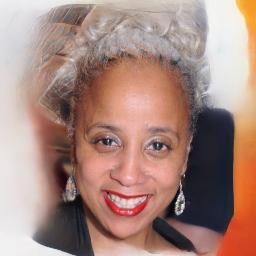
District of Columbia · 25 yrs exp
Licensed counselor and marriage therapist - relationships and addiction
Addictions · Relationship · Family · Intimacy-related issues · +4 more
Read profile
District of Columbia · 3 yrs exp
Licensed social worker - anxiety and relationships
Stress, Anxiety · Relationship · Grief · Career · +1 more
Read profile
District of Columbia · 10 yrs exp
LICSW - OCD and hoarding concerns
Stress, Anxiety · Family · Trauma and abuse · Grief · +12 more
Read profile
District of Columbia · 20 yrs exp
Licensed counselor - Relationships and trauma
Relationship · Family · Trauma and abuse · Depression · +14 more
Read profile
District of Columbia · 25 yrs exp
LICSW - OCD and hoarding focused
Coping with life changes · Coaching · ADHD
Read profile
District of Columbia · 6 yrs exp
LICSW - Anxiety and Hoarding
Stress, Anxiety · Relationship · Self esteem · Depression · +1 more
Read profile
District of Columbia · 10 yrs exp
District of Columbia LICSW - Stress and Anxiety
Stress, Anxiety · Relationship · Grief · Self esteem · +1 more
Read profile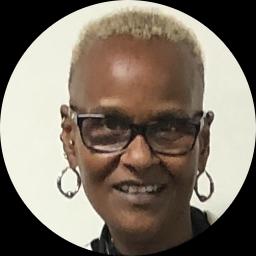
District of Columbia · 26 yrs exp
LCPC counselor - anxiety and hoarding
Stress, Anxiety · Trauma and abuse · Self esteem · Depression · +7 more
Read profileOnline therapy has become a common option for people across the District of Columbia, offering an alternative to in-person counseling that fits into busy schedules and varied lifestyles. When you search for online therapists in the District, you will find licensed professionals who offer video sessions, phone counseling, or a combination of telehealth formats. These services are delivered from locations where the therapist is licensed to practice, and therapists list the approaches they use and the populations they serve so you can get a clear sense of whether their style aligns with your needs.
Because regulations about where a therapist can practice apply, many therapists who provide online sessions focus on clients who are physically located in the same jurisdiction. When you consider an online therapist, you will want to confirm that they are licensed in the District of Columbia and that their listed practice options include remote sessions to DC residents. Profiles typically include credentials such as LCSW, LPC, PsyD, or PhD along with information about specialties, languages spoken, and modal approaches.
Online therapy can reduce barriers related to travel and time, which is especially helpful if you navigate a busy commute, variable work hours, or family responsibilities. You can connect from home, from an office during a break, or from another personal place that works for you. For residents of the District who live far from downtown clinics or who prefer not to spend extra time traveling across the city, remote sessions can make meeting with a therapist more practical.
Online sessions also broaden access to therapists who speak languages other than English or who specialize in working with particular communities. If you prefer to meet with a therapist who lists bilingual practice or who focuses on LGBTQ+ care, trauma-informed approaches, or working with military families and federal employees, searching online allows you to identify those matches without geographic constraints. In addition, online therapy often supports continuity of care if you temporarily relocate within the District for work or schooling, as long as the therapist is authorized to practice where you are located.
Online therapists in the District commonly list work with anxiety, depression, relationship concerns, and stress management. If you are dealing with life transitions, grief, or workplace stress, you will likely find therapists who describe these areas among their specialties. Therapists also often note experience supporting people with trauma-related symptoms, chronic illness adjustment, parenting challenges, and issues related to identity and sexuality.
Different therapists describe their approaches in various ways. Some list cognitive-behavioral methods while others mention psychodynamic, family systems, mindfulness-based strategies, or expressive therapies. If you are interested in modalities such as EMDR, interpersonal therapy, or narrative approaches, look for therapists who list those modalities among their approaches; that listing does not imply certification but it does indicate they incorporate those methods in their work. Reading profiles will help you find a therapist whose language and focus align with the kind of help you want.
Verifying a therapist’s license is an important step in your search. Start by noting the name and the credential listed on the profile, such as LCSW, LPC, PsyD, or PhD. Licensed clinicians in the District will typically include a license number or indicate the licensing body on their profile. You can then use the District government’s professional licensing website or verification portal to look up that license number or the clinician’s name. These official tools show whether a license is current and whether any public disciplinary actions are on record.
If you do not find a license through the online portal, you can contact the District licensing office by phone or email for assistance. When you check, look for the license type, expiration date, and whether the license is active and in good standing. You may also review a clinician’s education and degree as listed in their profile, and you can ask the therapist directly for their license number and the licensing board that issued it. Confirming licensure helps ensure that the clinician is authorized to practice in the District and that they follow the legal and ethical requirements of the jurisdiction.
Starting with an online therapist usually begins with reading profiles to identify clinicians whose approaches and experience match what you are looking for. When you reach out to a therapist, the initial communication typically covers practical matters such as session format - video or phone - and any intake procedures they use. You can prepare for that first conversation by listing the primary reasons you are seeking therapy, what you hope to achieve, and any questions about the therapist’s approach or experience that matter to you.
During your first few sessions, expect the therapist to gather background information about your history, current situation, and immediate concerns. This helps them propose a way of working together and indicates whether their methods fit your goals. You have the right to ask about how they handle scheduling, fees, and documentation. Although some details like specific timelines and session frequency are personalized, you can use the initial meetings to assess whether the therapist’s communication style and therapeutic frame are a good match for you.
When you compare profiles, pay attention to the therapist’s stated areas of specialization, the approaches they list, and the populations they describe working with. If language compatibility matters to you, look for therapists who list additional languages. Consider the credentials listed and verify licensure through the District’s licensing portal. Profiles that outline what to expect in therapy sessions and describe a therapist’s general style can help you anticipate whether their way of working aligns with your preferences.
It is reasonable to prioritize certain qualities such as a collaborative approach, experience with particular life challenges, or therapists who list cultural competence relevant to your background. Trust your impressions from initial communications and early sessions - if the therapist’s tone, pace, and directness do not feel like a good match, it is okay to continue your search until you find someone who fits. Remember that the goal is to find a therapist whose skills, approach, and interpersonal style support the work you want to do together in a way that feels approachable and practical for your life in the District.
Finding the right online therapist in the District of Columbia can be a thoughtful process. By focusing on licensure verification, understanding the therapeutic approaches that resonate with you, and paying attention to how therapists describe their work with clients, you can identify professionals who align with your goals and circumstances. Use the directory profiles to gather information, prepare questions for initial contact, and choose a therapist based on the criteria that matter most to you.
Addictions
2393 therapists
ADHD
2258 therapists
Anger
2726 therapists
Autism
1081 therapists
Bipolar
2273 therapists
Control Issues
2624 therapists
Depression
3716 therapists
Eating Disorders
1270 therapists
Grief
2918 therapists
Guilt and Shame
3270 therapists
Hoarding
1395 therapists
Impulsivity
2559 therapists
Isolation / Loneliness
3130 therapists
Mood Disorders
3003 therapists
Panic Disorder and Panic Attacks
2987 therapists
Phobias
1836 therapists
Post-Traumatic Stress
3142 therapists
Postpartum Depression
1817 therapists
Self Esteem
3437 therapists
Sleeping Disorders
1357 therapists
Social Anxiety and Phobia
3394 therapists
Stress & Anxiety
3917 therapists
Trauma and Abuse
3333 therapists
Trichotillomania
596 therapists
Attachment Issues
2560 therapists
Body Image
2018 therapists
Career
2208 therapists
Codependency
2566 therapists
Communication Problems
3314 therapists
Coping with Life Changes
3195 therapists
Family
2912 therapists
Forgiveness
2980 therapists
Life Purpose
3109 therapists
Parenting
2480 therapists
Relationship
3255 therapists
Self-Love
3039 therapists
Workplace Issues
2587 therapists