
Dr. Sharon Belhamel
LMFTGeorgia · 20 yrs exp
Licensed Marriage and Family Therapist - Anxiety and Relationships
Stress, Anxiety · Relationship · Career · Depression · +13 more
Read profileTherapist listings come from BetterHelp. We will earn a commission at no extra cost to you if you use our links to buy.
Welcome to the Georgia online therapy directory. All therapists listed here are licensed to practice in Georgia - explore profiles to learn about approaches, focus areas, languages, and experience.
Georgia · 20 yrs exp
Licensed Marriage and Family Therapist - Anxiety and Relationships
Stress, Anxiety · Relationship · Career · Depression · +13 more
Read profile
Georgia · 20 yrs exp
Licensed Professional Counselor - OCD and hoarding focus
Stress, Anxiety · Addictions · Anger · Bipolar · +10 more
Read profile
Georgia · 14 yrs exp
LPC in Georgia - self esteem and OCD-related concerns
Self esteem · Depression · Relationship · Anger · +1 more
Read profile
Georgia · 18 yrs exp
LPC in Georgia - anxiety and hoarding focus
Stress, Anxiety · Addictions · Relationship · Family · +15 more
Read profile
Georgia · 30 yrs exp
Licensed counselor - anxiety and relationships
Stress, Anxiety · Relationship · Family · Depression · +12 more
Read profile
Georgia · 8 yrs exp
Licensed Professional Counselor - Stress and Addictions
Stress, Anxiety · Addictions · Trauma and abuse · Grief · +4 more
Read profile
Georgia · 9 yrs exp
Licensed Professional Counselor - Anxiety and Hoarding
Stress, Anxiety · Anger · Self esteem · Bipolar · +11 more
Read profile
Georgia · 34 yrs exp
Licensed Professional Counselor - anxiety and addiction
Stress, Anxiety · Addictions · Anger · Self esteem · +12 more
Read profile
Georgia · 20 yrs exp
Licensed counselor - anxiety and addictions
Stress, Anxiety · Addictions · Family · Trauma and abuse · +12 more
Read profile
Georgia · 8 yrs exp
LCSW - anxiety and trauma
Stress, Anxiety · Trauma and abuse · Anger · Self esteem · +8 more
Read profile
Georgia · 5 yrs exp
Licensed Professional Counselor - Anxiety and Relationships
Stress, Anxiety · Relationship · Trauma and abuse · Bipolar · +12 more
Read profile
Georgia · 9 yrs exp
Dr. Lynda Cokuslu, LPC - Stress and Anxiety
Stress, Anxiety · Addictions · Trauma and abuse · Grief · +15 more
Read profile
Georgia · 25 yrs exp
Licensed clinical social worker - OCD and hoarding concerns
Stress, Anxiety · Parenting · Anger · Self esteem · +15 more
Read profile
Georgia · 30 yrs exp
LCSW in Georgia - Relationships and Self-esteem
Relationship · Intimacy-related issues · Self esteem · Career · +9 more
Read profile
Georgia · 8 yrs exp
Dr. Vivia Hill-Silcott, LPC - Anxiety and OCD-focused
Stress, Anxiety · Relationship · Family · Grief · +11 more
Read profile
Georgia · 10 yrs exp
Licensed counselor - OCD and hoarding focus
Stress, Anxiety · Family · Trauma and abuse · Depression · +11 more
Read profile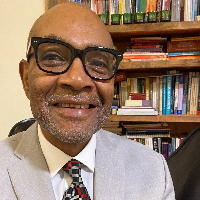
Georgia · 25 yrs exp
LPC in Georgia - Anxiety and Relationship concerns
Stress, Anxiety · Trauma and abuse · Grief · Self esteem · +13 more
Read profile
Georgia · 14 yrs exp
Licensed Professional Counselor - Anxiety and Mood
Stress, Anxiety · Addictions · Relationship · Family · +16 more
Read profile
Georgia · 30 yrs exp
Licensed Clinical Social Worker - Anxiety and Relationships
Stress, Anxiety · LGBT · Relationship · Intimacy-related issues · +1 more
Read profile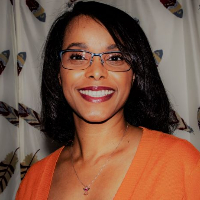
Georgia · 11 yrs exp
Licensed Professional Counselor - OCD and hoarding focus
Stress, Anxiety · Relationship · Trauma and abuse · Anger · +10 more
Read profile
Georgia · 5 yrs exp
Licensed Professional Counselor - Anxiety and Hoarding
Stress, Anxiety · Relationship · Family · Parenting · +12 more
Read profile
Georgia · 10 yrs exp
Licensed counselor - Anxiety and family concerns
Stress, Anxiety · Family · Trauma and abuse · Depression · +1 more
Read profile
Georgia · 5 yrs exp
LCSW in Georgia - Anxiety and Hoarding
Stress, Anxiety · Addictions · LGBT · Grief · +14 more
Read profile
Georgia · 24 yrs exp
Licensed Professional Counselor - OCD and hoarding focus
Stress, Anxiety · Family · Grief · Depression · +1 more
Read profileIf you live in Georgia, you have access to a broad range of licensed clinicians who offer therapy by video, phone, and other remote options. Over the past several years, many clinicians have incorporated online methods into their practices to serve people in cities, suburbs, and rural counties across the state. State licensure remains the foundation for who can provide teletherapy to Georgia residents, so the therapists listed here hold licenses issued for practice in Georgia.
Online therapy in Georgia is offered by professionals with different credentials and backgrounds, including licensed professional counselors, licensed clinical social workers, marriage and family therapists, and psychologists. Each profession is governed by its own state board, and the scope of practice varies by license type. You can expect to find a mix of clinicians who describe their work with individuals, couples, families, or specific populations such as teens, older adults, or LGBTQ+ clients. When you search listings, look for clear information about the clinician's stated focus areas and the ways they typically work with clients.
Online therapy can reduce barriers that sometimes limit access to in-person care. If you live in a rural part of Georgia, you may not have many local clinicians who specialize in the issues you want to address. Remote sessions let you connect with professionals across the state without a long drive. Even in urban areas, online options add flexibility when you need a session between work, school, or family commitments.
For many people, the comfort of meeting from a familiar setting can make it easier to open up and remain engaged in the work. You can arrange sessions from a quiet room at home, from a parked car during a lunch break, or from another convenient location when travel prevents an in-person visit. Online therapy also makes it simpler to maintain continuity if you move within Georgia, travel for work, or have caregiving demands that make leaving the house difficult. Keep in mind that the quality of a remote session depends on a reliable internet connection, an appropriate device for video calls, and a place where you can speak without interruptions.
Therapists who offer online services in Georgia work with a wide range of concerns. Many people seek help for anxiety, depression, stress management, and life transitions such as job changes or relationship shifts. Clinicians also support people facing relationship challenges, parenting stress, grief and loss, and issues tied to identity and sexuality. You will find therapists who list trauma-focused approaches among their services, and others who describe work with chronic health concerns, problem-solving around work-life balance, or managing symptoms related to long-term conditions.
Couples and family therapists use remote formats to address communication problems, parenting strategies, and co-parenting after separation. Young adults and teens sometimes engage with therapists online for support with school-related stress, social anxiety, or mood concerns. If you have a specific need, search profiles for therapists who describe that issue in their stated focus areas. Remember that when a clinician lists a particular modality or approach, that description indicates what they include in their practice rather than a certification claim. Use profiles to learn how each therapist frames their work and whether that language aligns with what you are seeking.
Verifying licensure is an important step when you review clinician profiles. In Georgia, different boards maintain public license records for various professions. For counselors and marriage and family therapists, you can consult the Georgia Composite Board of Professional Counselors, Social Workers, and Marriage and Family Therapists. Psychologists are registered through the Georgia State Board of Psychology, and social workers have their listings under the appropriate state board. Each board typically offers an online license lookup where you can check a clinician's license number, the type of license they hold, expiration date, and whether there are any public disciplinary actions.
To verify a license, note the license type and number from the therapist's profile and search the respective state board website. If the board's online tool is unclear, you can often call the board office for assistance or review public records posted by the board. When you look at board information, focus on the license status and expiration, any public actions, and the formal title associated with the license. These steps help you confirm that the clinician is authorized to practice within Georgia. Keep in mind that a therapist's profile may list approaches they use; those descriptions do not substitute for checking licensure and any board history.
Starting online therapy begins with reviewing profiles to find clinicians whose stated focus areas, languages, and approaches match what you want to work on. Pay attention to a therapist's biography to learn about populations they describe working with and the ways they describe their therapeutic process. Look for mentions of experience with particular concerns, preferences for working with certain age groups, and the communication methods they use for remote sessions. If a clinician lists an approach you are curious about - for example EMDR among their approaches - note that as one piece of information to discuss further rather than proof of a specific credential.
When you identify a few profiles that seem like a match, prepare a short introductory message or phone inquiry that focuses on the aspects most important to you. You might ask about the clinician's experience with your primary concern, what a typical session looks like, the forms of remote contact they use, and how they handle urgent needs between sessions. Also consider practical matters such as fees, insurance or out-of-network reimbursement procedures, session length, and whether the therapist works with individuals, couples, or families. During an initial conversation, trust your sense of rapport - you should feel comfortable discussing goals and the clinician should explain how they structure the work.
Practical preparation can improve your online therapy experience. Choose a quiet, uninterrupted space for your session and check that your camera and microphone work before the appointment. Keep a list of goals you want to address and a few questions for the therapist to help guide the first sessions. If you have concerns about emergency planning, ask the clinician how they handle crises and what local resources are available in Georgia. Remember that finding the right fit can take time; it is reasonable to try an initial session and then reflect on whether the therapist’s style and approach align with your expectations.
As you explore listings, combine objective checks - such as license verification and clear descriptions of focus areas - with subjective impressions about rapport and communication. Language access and cultural competence matter for many people, so look for clinicians who list languages and cultural populations they work with. If a profile mentions fees or insurance, use that information to prepare financially for sessions. Above all, prioritize a clinician who communicates clearly about how they work and listens to the questions you bring. That combination of practical checks and personal fit will help you make an informed choice about online therapy in Georgia.
Addictions
2393 therapists
ADHD
2258 therapists
Anger
2726 therapists
Autism
1081 therapists
Bipolar
2273 therapists
Control Issues
2624 therapists
Depression
3716 therapists
Eating Disorders
1270 therapists
Grief
2918 therapists
Guilt and Shame
3270 therapists
Hoarding
1395 therapists
Impulsivity
2559 therapists
Isolation / Loneliness
3130 therapists
Mood Disorders
3003 therapists
Panic Disorder and Panic Attacks
2987 therapists
Phobias
1836 therapists
Post-Traumatic Stress
3142 therapists
Postpartum Depression
1817 therapists
Self Esteem
3437 therapists
Sleeping Disorders
1357 therapists
Social Anxiety and Phobia
3394 therapists
Stress & Anxiety
3917 therapists
Trauma and Abuse
3333 therapists
Trichotillomania
596 therapists
Attachment Issues
2560 therapists
Body Image
2018 therapists
Career
2208 therapists
Codependency
2566 therapists
Communication Problems
3314 therapists
Coping with Life Changes
3195 therapists
Family
2912 therapists
Forgiveness
2980 therapists
Life Purpose
3109 therapists
Parenting
2480 therapists
Relationship
3255 therapists
Self-Love
3039 therapists
Workplace Issues
2587 therapists