Counselor profile
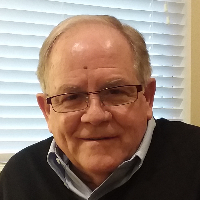
Dr. Bruce Pedigo
LCSW, LMFT
Dr. Bruce Pedigo, LCSW, LMFT - OCD and hoarding focus
License and NPI on record
- Credentials
- LCSW, LMFT
- License 1
- LCSW, Florida · No. SW1455
- License 2
- LMFT, Florida · No. MT1008
- NPI
- 1447452230
- Experience
- 40 years
- Languages
- English
- State
- Florida
As supplied to BetterHelp. A license can be checked with the state board, and an NPI with the national NPI registry.
- CBT techniques
- Attachment work
- Mindfulness skills
About Bruce
Dr. Bruce Pedigo is a Licensed Clinical Social Worker (LCSW) and a Licensed Marriage and Family Therapist (LMFT) in Florida with 40 years of experience. He lists stress, anxiety, relationship concerns, family matters, trauma and abuse, depression, addictions, grief, intimacy-related issues, eating and sleeping problems, parenting, anger, self-esteem, career concerns, bipolar disorder, ADHD, and related areas among his focuses.
He listens for each person's story and uses that as the starting point for care. Sessions are practical and straightforward. He says problems in children and adolescents are often connected to family patterns, so he attends to those relationships when it matters.
His approach draws on attachment-based work, client-centered principles, cognitive behavioral techniques, dialectical behavior ideas, and mindfulness practices. That range lets him use talking, behavior change, and skills practice to address intrusive thoughts, rituals, avoidance, or difficulty letting go.
His background includes a doctorate in Child, Youth, and Family Studies and long experience across many client groups. He is state licensed as FL LCSW and FL LMFT and is a member of the International Trauma Therapists Association.
Dr. Pedigo describes his personal worldview as informed by his Christian faith. He says he aims to be present and attentive, to listen without dismissing concerns, and to help people move toward clearer patterns in relationships and daily life.
How his approaches translate to online work
Dr. Pedigo uses a mix of client-centered listening, cognitive behavioral techniques, and attachment-based ideas. Client-centered work means the therapist focuses on what the client reports and responds with reflective listening and questions to clarify what matters. Cognitive behavioral techniques involve identifying thoughts and behaviors that keep problems going and practicing alternative actions or experiments to change them. Attachment-based work looks at relationship patterns and how those patterns affect feelings and behavior in families and close relationships.Choosing the right approach is part of the process. He aims to collaborate with clients to pick methods that fit their goals and preferences. That typically means trying practical skills, checking what helps, and adjusting the plan together over time.
Session formats are not specified in the biography, so confirm current options before booking. Online work can make it easier to fit appointments into a busy week, allow shorter check-ins when needed, and reduce travel time. Many people find doing skills practice between sessions helps carry progress into daily life, and a therapist can suggest exercises that suit a client's routine.
Areas of expertise
Primary focus
Also works with
Additional focus areas
Therapeutic approaches
Experience
40+ years
Credentials
Florida
Languages
English
Frequently asked questions
What concerns does he address most often?
He lists stress, anxiety, relationship and family concerns, trauma, depression, addictions, grief, intimacy issues, ADHD, and related areas among his focuses.
What is his approach in sessions?
He starts by listening to each person's story and uses attachment, client-centered, cognitive behavioral, DBT, and mindfulness ideas as needed to guide practical steps.
How long has he worked in the field?
He has about 40 years of clinical experience, including a doctorate in Child, Youth, and Family Studies.
Which credentials and location apply to his practice?
He holds the credentials LCSW and LMFT and is licensed in Florida as FL LCSW and FL LMFT.
In what language are sessions offered?
Sessions are offered in English.
Does he work with international clients?
International clients are not currently accepted.
How are sessions paid for?
Cost varies with location and sessions use a subscription that can be canceled at any time.
How do I begin a first appointment?
Select the See online therapy options button, complete a short matching questionnaire, and schedule a first session.
Before you reach out
- Check that the state license on record covers the state you live in.
- If exposure and response prevention (ERP) or another method matters to you, ask whether and how this counselor uses it.
- You do not need to explain every thought or ritual at the start. One example is enough.
- A profile shows the topics a counselor lists; it is not a diagnosis or a promise of results.
If you feel unsafe right now, call or text 988, or call 911.