
Lauren Rodriguez
LMHCFlorida · 5 yrs exp
LMHC - Anxiety and Hoarding focus
Stress, Anxiety · Relationship · Trauma and abuse · Depression · +12 more
Read profileTherapist listings come from BetterHelp. We will earn a commission at no extra cost to you if you use our links to buy.
Welcome to our directory of online therapists serving Florida. All therapists listed here are licensed in Florida; browse profiles to find counselors who match your needs and professional approach.
Florida · 5 yrs exp
LMHC - Anxiety and Hoarding focus
Stress, Anxiety · Relationship · Trauma and abuse · Depression · +12 more
Read profile
Florida · 28 yrs exp
Licensed Clinical Social Worker - OCD and hoarding focus
Stress, Anxiety · Trauma and abuse · Self esteem · Depression · +8 more
Read profile
Florida · 10 yrs exp
Licensed Mental Health Counselor - Anxiety and Addictions
Stress, Anxiety · Addictions · Self esteem · Depression · +12 more
Read profile
Florida · 22 yrs exp
Florida LMHC - Anxiety and OCD focus
Stress, Anxiety · Trauma and abuse · Sleeping · Anger · +16 more
Read profile
Florida · 30 yrs exp
LMHC LMFT - Anxiety and Relationship concerns
Stress, Anxiety · Addictions · Trauma and abuse · Grief · +14 more
Read profile
Florida · 11 yrs exp
LMHC in Florida - anxiety and family concerns
Stress, Anxiety · Family · Trauma and abuse · Self esteem · +13 more
Read profile
Florida · 10 yrs exp
LMHC in Florida - Anxiety and Stress
Stress, Anxiety · Anger · Self esteem · Depression · +2 more
Read profile
Florida · 27 yrs exp
LMHC - Anxiety and relationship concerns
Addictions · Relationship · Trauma and abuse · Intimacy-related issues · +16 more
Read profile
Florida · 23 yrs exp
LICSW LCSW - LGBT and intimacy concerns
LGBT · Intimacy-related issues
Read profile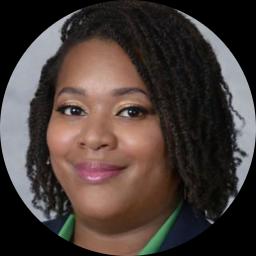
Florida · 26 yrs exp
Licensed counselor - OCD and hoarding focus
Stress, Anxiety · Family · Trauma and abuse · Self esteem · +1 more
Read profile
Florida · 21 yrs exp
LCSW - OCD and hoarding focused care
Stress, Anxiety · Relationship · Trauma and abuse · Depression · +13 more
Read profile
Florida · 8 yrs exp
LMHC in Florida - anxiety and depression
Stress, Anxiety · Trauma and abuse · Grief · Self esteem · +1 more
Read profile
Florida · 10 yrs exp
LMHC in Florida - Anxiety and Addiction
Stress, Anxiety · Addictions · Relationship · Anger · +7 more
Read profile
Florida · 20 yrs exp
LMHC in Florida - anxiety and OCD focused
Stress, Anxiety · Relationship · Anger · Self esteem · +8 more
Read profile
Florida · 15 yrs exp
Licensed Mental Health Counselor - OCD and Hoarding
Stress, Anxiety · Trauma and abuse · Self esteem · Depression · +11 more
Read profile
Florida · 5 yrs exp
LMHC - anxiety and relationship concerns
Stress, Anxiety · Relationship · Family · Grief · +1 more
Read profile
Florida · 5 yrs exp
Florida LMHC - stress and trauma focus
Stress, Anxiety · LGBT · Trauma and abuse · Self esteem · +11 more
Read profile
Florida · 28 yrs exp
LCSW - Anxiety and Addiction support
Stress, Anxiety · Addictions · Trauma and abuse · Self esteem · +13 more
Read profile
Florida · 10 yrs exp
LMHC - anxiety and addiction support
Stress, Anxiety · Addictions · Trauma and abuse · Self esteem · +1 more
Read profile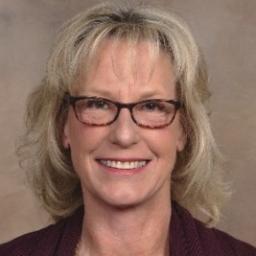
Florida · 18 yrs exp
LCSW - anxiety and stress recovery
Stress, Anxiety · Relationship · Trauma and abuse · Depression · +14 more
Read profile
Florida · 6 yrs exp
LMHC in Florida - anxiety and relationship concerns
Stress, Anxiety · Relationship · Trauma and abuse · Depression · +10 more
Read profile
Florida · 22 yrs exp
Licensed Clinical Social Worker - OCD and Hoarding
Addictions · Relationship · Trauma and abuse · Intimacy-related issues · +4 more
Read profile
Florida · 28 yrs exp
LCSW in Florida - anxiety and hoarding support
Addictions · Trauma and abuse · Parenting · Bipolar · +15 more
Read profile
Florida · 16 yrs exp
Licensed Mental Health Counselor - Anxiety and Relationships
Stress, Anxiety · Relationship · Trauma and abuse · Depression · +1 more
Read profileIf you are exploring online therapy in Florida, you are joining many people who use digital sessions to address life challenges, stress, relationships, and emotional health. In recent years telehealth models have become a common way for licensed mental health professionals to offer care, using video, phone, and text-based methods to connect with clients across the state. The regulatory framework in Florida requires clinicians who provide mental health services to Floridians to hold the appropriate state license, which helps you identify practitioners who meet state standards for professional practice.
Online therapy in Florida is not a single method - it is a way to deliver counseling and psychotherapy through remote communication tools. Some therapists specialize in short-term, skills-based approaches while others focus on longer-term exploration of patterns and relationships. Many list a range of approaches so you can find someone whose style aligns with what you prefer. As you look through profiles, you can learn about professional credentials, areas of focus, languages spoken, and the modes of remote communication offered.
Choosing online therapy can offer practical benefits depending on your life circumstances. You can avoid commute time, manage sessions around work or family responsibilities, and access clinicians who are not located near your home. If you live on the Gulf Coast, in a rural inland community, or move seasonally within the state, remote sessions can make it easier to maintain continuity in your care without frequent travel.
Online therapy also expands the pool of professionals you can consider. You may find therapists who work with specific populations, speak a preferred language, or emphasize particular approaches that are meaningful to you. The format can feel less formal for some people and more accessible for others, especially if mobility, chronic health issues, or caregiving duties make in-person visits more difficult. When you prepare for a session, simple adjustments - such as choosing a quiet room, checking camera and microphone settings, and setting boundaries with household members - will help you get the most from remote counseling.
Online therapists in Florida work with a broad range of concerns. Many people seek help for anxiety and depression, whether those feelings are triggered by work stress, life transitions, or persistent patterns that interfere with daily functioning. Relationship challenges, including couple dynamics and family conflicts, are frequently addressed in remote sessions where partners or family members may participate from different locations.
Other common areas of focus include grief and loss, parenting support, adjustment after relocation, and coping with chronic illness. Therapists may also list work with trauma-related concerns; when modalities are mentioned in profiles you will often see phrasing such as therapists who list EMDR among their approaches or those who include somatic-informed, cognitive-behavioral, or psychodynamic techniques among their methods. Substance use, anger management, and life coaching-style support are additional reasons people seek online counseling. Reading profiles will help you identify professionals who describe experience with the issues most relevant to you.
It is important to confirm that any clinician you consider is licensed in Florida. You can do this by using the state licensing search run by Florida's regulatory agency for health professions. When you search a name, look for the license type - for example licensed clinical social worker, licensed marriage and family therapist, or licensed mental health counselor - and verify the status is active. The license record typically shows a license number, expiration date, and whether any disciplinary actions are recorded. These records provide objective information to supplement what you read in profiles.
Interpreting license details will help you understand a clinician's professional standing. If you see terms such as registered intern or provisional status, those indicate different levels of licensure; an active professional license is what allows a clinician to practice independently. If you have questions about the information you find, the licensing board's website often includes contact details and explanations of license classifications. Remember that a therapist's profile may list practice approaches and areas of focus, but the licensing record is the definitive source for legal authorization to practice in Florida.
Beginning online therapy starts with a few practical steps. First, review profiles to find clinicians who name the issues and approaches that feel relevant to you. Look for details about years of experience, language options, and whether they describe working with populations similar to yours. Many profiles will also indicate how they deliver remote care, such as by video, phone, or messaging, so you can choose a method that fits your comfort with technology.
Once you have identified potential matches, prepare a short list of questions to guide your initial contact. You may want to ask about session length and frequency, how they handle cancellations, and whether they coordinate with other providers if that matters to you. It can be helpful to ask how they structure a typical session and what to expect in early visits. Think about logistics as well - which device you will use, where you will sit during a session, and how to minimize interruptions. Taking a small trial period to assess fit is normal; many people find rapport builds most quickly when they feel heard and understood by their therapist.
Choosing a therapist is a personal decision and you should feel empowered to look for the qualities that matter most to you. Start by clarifying what you hope to accomplish in therapy, whether that is symptom relief, relationship work, skill development, or deeper personal insight. With that goal in mind, prioritize profiles that emphasize relevant experience and approaches. If you prefer a structured, skills-based path, look for clinicians who describe cognitive-behavioral or solution-focused approaches. If you want to explore patterns and meaning, profiles that mention psychodynamic or relational perspectives may be a closer fit.
Consider practical factors too. Language, cultural understanding, and whether a clinician has experience with your life stage or identity can make a big difference in how comfortable you feel. Think about communication style - whether you value direct feedback, gentle exploration, or a collaborative tone. It is reasonable to ask prospective therapists about how they measure progress and how you will know if the work is moving in the direction you want. Keep in mind that finding a good match sometimes takes time and a few conversations. Use initial contacts to assess rapport and whether the therapist's way of working aligns with your expectations so you can make an informed choice.
Online therapy in Florida offers a range of options for addressing emotional and mental health concerns. By verifying licensure, reading profiles closely, and preparing practical questions, you can make thoughtful decisions about who to contact. Whether you are seeking short-term support for a specific challenge or longer-term work to explore deeper issues, taking the first step to review therapist profiles and reach out for a conversation can help you find professional support that fits your life and goals.
Addictions
2393 therapists
ADHD
2258 therapists
Anger
2726 therapists
Autism
1081 therapists
Bipolar
2273 therapists
Control Issues
2624 therapists
Depression
3716 therapists
Eating Disorders
1270 therapists
Grief
2918 therapists
Guilt and Shame
3270 therapists
Hoarding
1395 therapists
Impulsivity
2559 therapists
Isolation / Loneliness
3130 therapists
Mood Disorders
3003 therapists
Panic Disorder and Panic Attacks
2987 therapists
Phobias
1836 therapists
Post-Traumatic Stress
3142 therapists
Postpartum Depression
1817 therapists
Self Esteem
3437 therapists
Sleeping Disorders
1357 therapists
Social Anxiety and Phobia
3394 therapists
Stress & Anxiety
3917 therapists
Trauma and Abuse
3333 therapists
Trichotillomania
596 therapists
Attachment Issues
2560 therapists
Body Image
2018 therapists
Career
2208 therapists
Codependency
2566 therapists
Communication Problems
3314 therapists
Coping with Life Changes
3195 therapists
Family
2912 therapists
Forgiveness
2980 therapists
Life Purpose
3109 therapists
Parenting
2480 therapists
Relationship
3255 therapists
Self-Love
3039 therapists
Workplace Issues
2587 therapists