Counselor profile
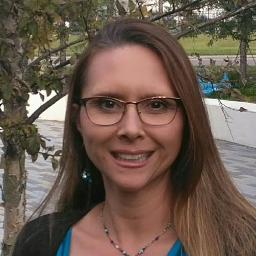
Christina Macnamara
LCSW
Licensed Clinical Social Worker - Anxiety and Stress
License and NPI on record
- Credentials
- LCSW
- License
- LCSW, Florida · No. SW13068
- NPI
- 1750422036
- Experience
- 29 years
- Languages
- English
- State
- Florida
As supplied to BetterHelp. A license can be checked with the state board, and an NPI with the national NPI registry.
- Acceptance and Commitment Therapy
- Cognitive Behavioral Therapy
- Solution-focused work
About Christina
Christina Macnamara is a Licensed Clinical Social Worker (LCSW) practicing in Florida with 29 years of experience. She helps people who are feeling overwhelmed by stress, anxiety, grief, or major life changes. She also supports those managing relationship struggles, parenting concerns, compassion fatigue, and questions around identity and self-esteem.
Christina uses a practical, partnership-based approach. Sessions focus on clear goals and workable steps rather than long explanations. She listens to what is happening now, and helps people choose what to try next when checking, intrusive thoughts, or stuck patterns get in the way.
Her methods include Acceptance and Commitment Therapy (ACT) and Cognitive Behavioral Therapy (CBT) alongside client-centered and solution-focused techniques. In plain terms this means noticing difficult thoughts, testing small changes in behavior, and building routines that reduce distress over time. Motivational Interviewing is used when people are unsure what to change or feel stuck about next steps.
Christina has a long history of helping adults cope with trauma and loss, chronic illness and caregiving stress, and family-related pressures such as adoption, blended family concerns, and attachment struggles. She also works with issues linked to ADHD, body image, and codependency.
Sessions are practical and goal-oriented. Expect straightforward conversations, small experiments to try between meetings, and regular check-ins on progress. For someone caught in loops of checking, intrusive thoughts, or difficulty letting go, her work focuses on usable skills and steady pacing rather than quick fixes.
How her approaches apply to online therapy
Acceptance and Commitment Therapy helps people notice and make space for painful thoughts rather than fighting them. It focuses on values-driven action so someone can take small steps toward what matters even when intrusive thoughts persist.Cognitive Behavioral Therapy breaks problems into thoughts, feelings, and behaviors and tests changes through small experiments. It is commonly used for anxiety, checking behaviors, and getting unstuck from repetitive routines.
She uses client-centered and solution-focused elements to keep sessions practical and aligned with a person’s immediate goals. That means conversations that prioritize your concerns and build short, achievable plans together.
Finding the right mix of approaches is part of the work. The therapist will discuss goals, preferences, and what has helped before, and then decide collaboratively which methods to try first. Sessions are paced to fit the client’s readiness for change.
Session formats are not specified in the biography, so confirm current online options before booking. Online work can make it easier to fit therapy into a busy week, allow shorter check-ins when needed, and reduce travel time. Therapists can adapt exercises for video or audio sessions and assign brief between-session experiments to practice new responses in daily life.
Areas of expertise
Primary focus
Also works with
Additional focus areas
Therapeutic approaches
Experience
29+ years
Credentials
Florida
Languages
English
Frequently asked questions
What kinds of concerns does she address?
She works with stress, anxiety, grief, depression, trauma and related relationship or parenting strains. Additional areas include compassion fatigue, ADHD, chronic illness, and issues around attachment and adoption.
What is her therapeutic style like?
Her style is collaborative and goal-focused, using short-term experiments and direct conversation. Sessions aim to identify practical steps and track what helps.
How much clinical experience does she have?
She has 29 years of experience as a Licensed Clinical Social Worker.
What credential does she hold and where does she practice?
She is an LCSW licensed in Florida and practices there.
Which languages are supported in sessions?
Sessions are offered in English.
Does she accept clients outside the United States?
She does not accept international clients.
How are costs handled?
Costs vary by location and sessions use a subscription that can be canceled at any time.
What should I do to begin working with her?
Select the See online therapy options button, complete a short matching questionnaire, and schedule a first session.
Before you reach out
- Check that the state license on record covers the state you live in.
- If exposure and response prevention (ERP) or another method matters to you, ask whether and how this counselor uses it.
- You do not need to explain every thought or ritual at the start. One example is enough.
- A profile shows the topics a counselor lists; it is not a diagnosis or a promise of results.
If you feel unsafe right now, call or text 988, or call 911.