Counselor profile
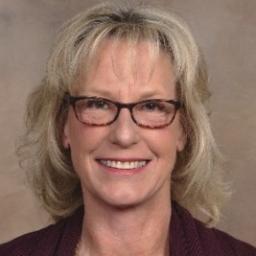
Linda Milewski
LCSW
LCSW - anxiety and stress recovery
License and NPI on record
- Credentials
- LCSW
- License 1
- LCSW, Florida · No. SW13301
- License 2
- LCSW, North Carolina · No. C007143
- NPI
- 1629731450
- Experience
- 18 years
- Languages
- English
- State
- Florida
As supplied to BetterHelp. A license can be checked with the state board, and an NPI with the national NPI registry.
- CBT techniques
- DBT skills
- Mindfulness practice
About Linda
Linda Milewski is a Licensed Clinical Social Worker (LCSW) practicing in Florida with 18 years of experience. She lists stress, anxiety, relationship issues, trauma and abuse, depression, ADHD, addictions, and other life challenges among the concerns she addresses. Linda describes an approach that looks at how the body and nervous system respond to chronic stress.
Her background includes many years working in inpatient psychiatric units, recovery facilities, mental health agencies, and wellness centers. That work shaped how she responds to crisis and complex mood and addiction-related problems. She emphasizes techniques that help calm the body before addressing thoughts and behavior.
Linda uses Client-Centered Therapy and Cognitive Behavioral Therapy (CBT) alongside Dialectical Behavior Therapy (DBT) and Emotionally-Focused Therapy (EFT). She also draws on mindfulness practices and somatic ideas to help regulate emotions and reduce reactive states. These options are used to address checking, intrusive thoughts, difficulty letting go, and compulsive behaviors when relevant.
In sessions she focuses on practical skills, emotion regulation, and clearer communication. Nonviolent Communication features in her work to help people set boundaries and speak more directly about needs. She aims to pair skill-building with accountability and structure so clients can make steady changes.
Linda describes therapy as a collaborative process. She helps people identify which tools fit their situation and adjusts methods as needed. To begin, prospective clients follow the site's sign-up flow to match and schedule a first meeting.
How therapeutic approaches are used online
Linda integrates Cognitive Behavioral Therapy (CBT) and Dialectical Behavior Therapy (DBT) in ways that translate well to remote work. CBT focuses on identifying unhelpful thoughts and testing them with practical exercises, which suits homework, thought records, and brief skill practice between visits. DBT provides concrete emotion-regulation skills and distress-tolerance tools that can be taught, practiced, and reviewed during online meetings.She also uses Client-Centered Therapy to keep sessions focused on what matters most to the person. That approach emphasizes listening, reflecting, and helping clients decide which strategies to try. Selecting the best mix of methods is a collaborative process; the therapist and client check what is helping and adjust the plan together.
The original biography does not specify which remote session formats are offered, so confirm session options before booking. Online sessions can make it easier to fit appointments into a workday, reduce travel time, and allow shorter check-ins when needed. They also let people practice skills in their everyday environments and bring real-life situations into the work without promising any specific outcome.
Areas of expertise
Primary focus
Also works with
Additional focus areas
Therapeutic approaches
Experience
18+ years
Credentials
Florida, North Carolina
Languages
English
Frequently asked questions
What problems does she commonly help with?
She works with stress, anxiety, relationship and mood concerns, trauma and abuse, addictions, ADHD, grief, and related issues listed in her profile.
What therapy styles does she use in session?
She uses Client-Centered Therapy, Cognitive Behavioral Therapy (CBT), Dialectical Behavior Therapy (DBT), Emotionally-Focused Therapy (EFT), existential ideas, and mindfulness-based practices.
How long has she practiced?
She has 18 years of clinical experience working across inpatient, recovery, agency, and wellness settings.
What are her credentials and practice location?
She is an LCSW with licensure in Florida and practices in Florida.
Does she offer sessions in other languages or internationally?
Sessions are offered in English and she does not accept international clients.
What session formats does she provide?
The original profile does not specify session formats. Please confirm current session options before booking.
How are sessions paid for?
Cost varies by location and sessions use a subscription that can be canceled at any time.
How do I begin working with her?
Use the See online therapy options button, complete a short matching questionnaire, and schedule your first session.
Before you reach out
- Check that the state license on record covers the state you live in.
- If exposure and response prevention (ERP) or another method matters to you, ask whether and how this counselor uses it.
- You do not need to explain every thought or ritual at the start. One example is enough.
- A profile shows the topics a counselor lists; it is not a diagnosis or a promise of results.
If you feel unsafe right now, call or text 988, or call 911.