Counselor profile
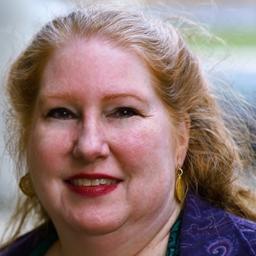
Margaret Johnston
LMHC
Licensed Mental Health Counselor - Anxiety and Relationship concerns
License and NPI on record
- Credentials
- LMHC
- License
- LMHC, Florida · No. MH15423
- NPI
- 1912497306
- Experience
- 11 years
- Languages
- English
- State
- Florida
As supplied to BetterHelp. A license can be checked with the state board, and an NPI with the national NPI registry.
- CBT techniques
- Acceptance and Commitment Therapy
- Attachment focused work
About Margaret
Margaret Johnston is a Licensed Mental Health Counselor (LMHC) in Florida with 11 years of clinical experience. She helps people struggling with stress, anxiety, trauma, grief, depression, relationship and intimacy concerns, and challenges like ADHD and bipolar disorder. She also works with people dealing with body image, eating-related issues, gender dysphoria, and questions around sexuality and alternative sex cultures.
She trained at the University of North Florida, earning a Master of Clinical Psychotherapy in 2013. Early in her career she completed a nine-month Clinical Pastoral Education internship focused on deep listening. She has experience listening in high-stress settings and supporting people after trauma and intense life change.
Her approach uses methods drawn from Acceptance and Commitment Therapy (ACT), Cognitive Behavioral Therapy (CBT), Attachment-Based Therapy, Emotionally-Focused Therapy (EFT), and client-centered work. Sessions focus on clear, practical steps such as identifying values, noticing patterns, and planning small behavior changes. She emphasizes listening closely, reflecting feelings, and clarifying what a meaningful life might look like for each person.
Margaret describes her work as culturally aware and nonjudgmental. She states she is inclusive of LGBTQA, polyamory, kink and non-gendered communities, and attends to race and social context when those are central concerns. Her practice also addresses caregiver stress, blended family issues, fertility and communication problems.
People who want a steady listener and practical options for change may find her style useful. To begin, she asks people to think about what matters most to them and what small steps they can try next.
Therapeutic approaches and working online
Margaret uses Acceptance and Commitment Therapy and Cognitive Behavioral Therapy as central tools. ACT focuses on clarifying personal values and choosing actions that align with those values even when difficult thoughts or feelings appear. CBT looks at thinking patterns and behavior, and helps people test and change unhelpful habits tied to anxiety or low mood.She also draws on Attachment-Based Therapy to look at how early relationships shape current connections and reactions. That approach can help with relationship and intimacy problems and with patterns of worry or avoidance. The therapist frames these approaches as options to try rather than fixed rules, and will work together with each person to find the best mix of methods for their needs and goals.
The original biography does not list specific session formats, so confirm the available options before booking. Online work can make it easier to fit sessions into a busy life, shorten travel time, and allow for quieter surroundings or a brief check-in during a break. The collaborative process includes choosing practical steps that fit day-to-day routines and adjusting the plan as needed.
Areas of expertise
Also works with
Additional focus areas
Therapeutic approaches
Experience
11+ years
Credentials
Florida
Languages
English
Frequently asked questions
What kinds of problems does she help with most often?
She works with stress, anxiety, trauma and abuse, grief, depression, coping with life changes, relationship and intimacy issues, and concerns like ADHD and bipolar disorder.
What therapy approaches does she use in sessions?
Her work draws on Acceptance and Commitment Therapy (ACT), Cognitive Behavioral Therapy (CBT), Attachment-Based Therapy, Emotionally-Focused Therapy, and client-centered methods.
How long has she been practicing?
She has 11 years of experience as a clinician since completing her graduate training and internships.
Where is she licensed and practicing?
She is a Florida LMHC and lists Florida as her practice location.
Can I work with her if I live outside the United States?
She accepts international clients and sessions are offered in English.
What session formats are available?
The original biography does not list specific session formats; please confirm current session options before booking.
How are sessions paid for and what does it cost?
Cost varies with location, and sessions use a subscription that can be canceled at any time.
How do I get started with her practice?
Begin by selecting the See online therapy options button, completing a short matching questionnaire, and scheduling a first session.
Before you reach out
- Check that the state license on record covers the state you live in.
- If exposure and response prevention (ERP) or another method matters to you, ask whether and how this counselor uses it.
- You do not need to explain every thought or ritual at the start. One example is enough.
- A profile shows the topics a counselor lists; it is not a diagnosis or a promise of results.
If you feel unsafe right now, call or text 988, or call 911.