Counselor profile
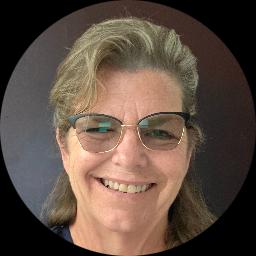
Tristine Barry
LMHC
LMHC in Florida - anxiety and addictions
License and NPI on record
- Credentials
- LMHC
- License
- LMHC, Florida · No. MH21636
- NPI
- 1457934036
- Experience
- 11 years
- Languages
- English
- State
- Florida
As supplied to BetterHelp. A license can be checked with the state board, and an NPI with the national NPI registry.
- CBT methods
- Acceptance and Commitment Therapy
- Mindfulness skills
About Tristine
Tristine Barry is a Licensed Mental Health Counselor (LMHC) in Florida with 11 years of experience. She works with people facing stress, anxiety, addictions, relationship strain, career changes, ADHD, grief, trauma, chronic pain, and sleep or eating concerns. Tristine speaks English and practices from Florida.
She uses straightforward methods that focus on strengths and practical skills. Sessions often include cognitive behavioral tools and Acceptance and Commitment Therapy to help people notice patterns and try different responses to distressing thoughts and urges. Mindfulness and motivational interviewing are woven in to support clarity and motivation.
Tristine also teaches mind/body coping techniques such as somatic grounding, polyvagal-informed breathing, and tapping. These are presented as short, usable exercises people can repeat between sessions. She explains skills clearly and practices them together so people can build tolerance for uncomfortable feelings and urges.
The work emphasizes small, stepwise changes rather than big overhauls. Tristine uses technology and apps as extra tools to track progress and reinforce skills. She helps people set realistic goals and pick exercises that fit daily life.
Her approach is collaborative and pragmatic. New clients complete a short matching questionnaire and then schedule a first session to review concerns, options, and next steps. Sessions use a subscription model that can be canceled at any time.
How her approaches translate to online care
Tristine uses cognitive behavioral therapy (CBT) to identify unhelpful thinking and test small behavior changes that reduce anxiety and compulsive patterns. CBT work often includes brief exercises and homework that can be reviewed between sessions to track progress.She also uses Acceptance and Commitment Therapy (ACT), which focuses on noticing thoughts without getting stuck in them and committing to actions that reflect personal values. ACT pairs well with mindfulness practices when the goal is tolerating uncomfortable thoughts or urges rather than trying to eliminate them immediately.
Finding the right mix of methods is part of the early work. She collaborates with each person to choose skills and exercises that match their goals, preferences, and daily routine. That means trying approaches, checking what helps, and adjusting as needed.
The biography does not list specific session formats, so confirm current options before booking. In practice, online sessions can make it easier to fit therapy into a busy schedule, allow for short check-ins when needed, and support practicing skills in everyday settings. Tristine also uses technology and apps as adjunct tools to reinforce skills and monitor progress between sessions.
Areas of expertise
Primary focus
Also works with
Additional focus areas
Therapeutic approaches
Experience
11+ years
Credentials
Florida
Languages
English
Frequently asked questions
What kinds of problems does she help with?
She supports people with stress, anxiety, addictions, trauma, chronic pain, sleep and eating issues, relationship and career concerns, ADHD, depression, and grief.
What therapy approaches does she use?
Her work draws on cognitive behavioral therapy (CBT), Acceptance and Commitment Therapy (ACT), client-centered listening, mindfulness practices, and motivational interviewing.
How much experience does she have?
She has 11 years of clinical experience working with a broad range of concerns including trauma, addictions, anxiety, and chronic pain.
Where is she licensed and based?
She is a Florida Licensed Mental Health Counselor (FL LMHC) and practices from Florida. Sessions are conducted in English.
Can people outside the United States work with her?
International clients are not currently accepted. Sessions are offered in English to people located where she is able to practice.
What session formats are available?
Session formats are not listed in the biography. Please confirm current session options before booking.
How are sessions charged?
Sessions use a subscription that can be canceled at any time; exact cost varies with location.
What should I do to get started?
Select the See online therapy options button, complete the short matching questionnaire, and schedule a first session to discuss goals and next steps.
Before you reach out
- Check that the state license on record covers the state you live in.
- If exposure and response prevention (ERP) or another method matters to you, ask whether and how this counselor uses it.
- You do not need to explain every thought or ritual at the start. One example is enough.
- A profile shows the topics a counselor lists; it is not a diagnosis or a promise of results.
If you feel unsafe right now, call or text 988, or call 911.